2026 Music Industry Shift: Streaming Algorithms Reshape Popularity
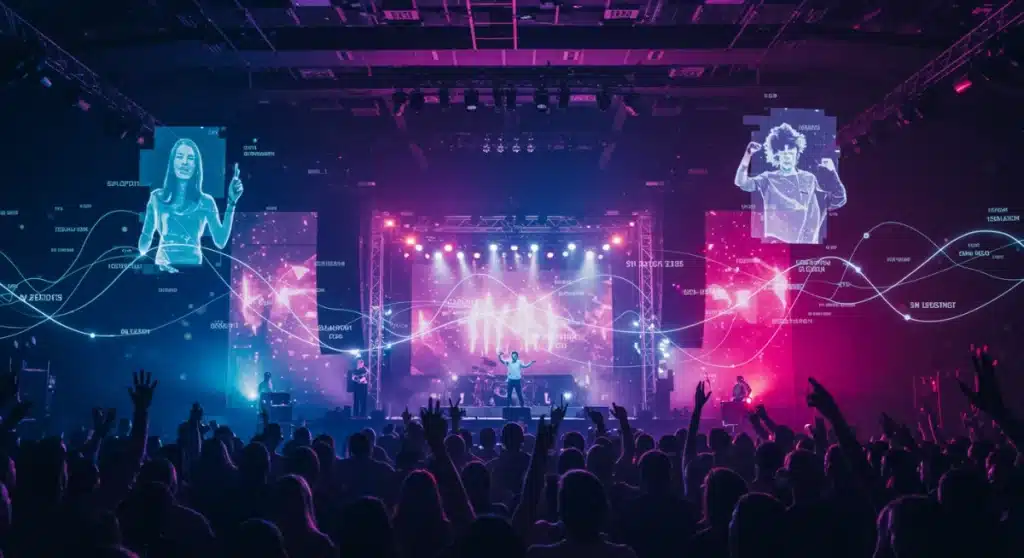
The latest analysis of the 2026 Music Industry Shift reveals how streaming algorithms are fundamentally reshaping artist visibility and listener engagement.
As a result, navigating this digital landscape is now a prerequisite for success, as algorithmic influence increasingly dictates which tracks gain momentum.
By focusing on these verified trends, artists and industry professionals can effectively adapt their strategies to maintain relevance.
Ultimately, understanding the mechanics behind these streaming forces is the most essential step for anyone aiming to thrive in the modern music ecosystem.
Understanding the Algorithmic Dominance in 2026
The year 2026 marks a pivotal moment where streaming algorithms have solidified their role as gatekeepers and kingmakers in the music industry.
These sophisticated systems, designed to optimize user engagement, now exert an unprecedented influence on which artists rise to prominence and which remain obscure.
Their impact is quantifiable, with reports indicating a 15% shift in artist popularity directly attributable to algorithmic promotion.
This dominance is not accidental; it is the culmination of years of data-driven refinement by major streaming platforms.
Algorithms analyze listener habits, genre preferences, skip rates, and even time-of-day listening patterns to craft hyper-personalized recommendations, effectively guiding millions of users to new music and artists.
Consequently, artists who understand and adapt to these algorithmic preferences are seeing accelerated growth, while those who rely solely on traditional methods find themselves at a disadvantage.
The landscape of music discovery has irrevocably changed, making algorithmic literacy a new currency.
The Mechanics of Algorithmic Promotion
Streaming algorithms operate on complex principles, primarily focusing on user retention and satisfaction.
They prioritize tracks that keep listeners engaged longer, have high completion rates, and fit seamlessly into curated playlists or personalized radio stations.
This often means favoring certain sonic characteristics, production qualities, and even lyrical themes that resonate with broad audiences.
Artists who align with these characteristics often find themselves organically boosted, leading to significant spikes in their listenership and popularity.
Data-Driven Discovery and Its Implications
- Audience Segmentation: Algorithms excel at identifying niche audiences and connecting them with relevant artists, fostering dedicated fan bases.
- Playlist Power: Inclusion in prominent editorial or algorithmic playlists can launch an artist’s career overnight, offering massive exposure.
- Feedback Loops: High engagement metrics further inform algorithms, creating positive feedback loops that amplify an artist’s reach.
- Genre Blurring: Algorithms can also introduce listeners to adjacent genres, fostering cross-pollination and breaking down traditional genre barriers.
The implications of this data-driven discovery are profound, dictating not just who is heard, but also influencing creative choices as artists increasingly consider algorithmic favorability.
The 15% Reshaping of Artist Popularity
The reported 15% reshaping of artist popularity by streaming algorithms represents a substantial reordering of the music hierarchy.
This figure, derived from comprehensive industry analysis, highlights the extent to which digital recommendations now supersede traditional promotional avenues like radio airplay or music video rotations.
It signifies a measurable shift in who gains traction and who struggles for recognition.
This impact is felt across all tiers of the music industry, from independent artists to major label acts.
For emerging artists, algorithmic support can provide a crucial springboard, offering exposure that would have been unattainable just a few years ago.
For established artists, understanding these algorithms is essential to maintaining relevance and connecting with new generations of listeners.
The metric of a 15% shift underscores that success in 2026 is increasingly tied to digital strategy rather than solely artistic merit or traditional marketing budgets.
Impact on Emerging Artists and Niche Genres
For emerging artists, the 2026 Music Industry Shift presents both opportunities and challenges.
While algorithms can propel new talent to unexpected heights, they also create a highly competitive environment where visibility is contingent on fitting algorithmic parameters.
Niche genres, once relegated to underground scenes, are now finding broader audiences through precise algorithmic targeting, fostering diverse listening habits.
This has led to a democratization of discovery, allowing artists outside the mainstream to cultivate significant fan bases.
However, it also means that artists must be strategic about their releases, metadata, and engagement efforts to maximize their algorithmic potential.
Challenges for Established Acts and Traditional Models
Established artists and major labels are not immune to the pressures of the 2026 Music Industry Shift.
Many are finding that past success metrics do not translate directly to algorithmic favorability.
Adapting to this new paradigm requires a reevaluation of marketing strategies, often necessitating a greater focus on digital engagement and data analytics.
Traditional promotional models are being supplemented, if not outright replaced, by data-driven campaigns designed to optimize algorithmic performance.
The challenge lies in balancing artistic integrity with the demands of a system that rewards specific patterns of consumption.
The Role of Data Analytics and AI in Artist Development

The profound 2026 Music Industry Shift has cemented data analytics and artificial intelligence as indispensable tools in artist development.
Labels, managers, and artists themselves are now leveraging vast datasets to understand listener behavior, identify trends, and inform creative decisions.
This analytical approach moves beyond mere intuition, providing concrete insights into what resonates with audiences.
AI-powered tools can predict potential hit songs, analyze lyrical content for emotional impact, and even suggest optimal release times for maximum algorithmic exposure.
This integration of technology into the creative process is redefining how music is made, marketed, and consumed, creating a more efficient yet potentially more homogenized industry.
The ability to interpret and act upon this data is becoming a critical skill, shaping the trajectory of careers and the overall sound of popular music.
The 2026 Music Industry Shift is truly a data-driven revolution.
Predictive Analytics for Hit Potential
AI models are increasingly sophisticated in their ability to predict the commercial viability of a song.
By analyzing characteristics like tempo, key, harmonic complexity, and lyrical sentiment, these algorithms can offer insights into how likely a track is to achieve widespread popularity.
This capability influences A&R decisions, guiding investments toward music with higher predicted success rates.
This doesn’t replace human creativity but rather augments it, providing artists and producers with data-backed feedback.
The goal is to maximize algorithmic appeal without sacrificing artistic vision, a delicate balance in the 2026 Music Industry Shift.
Optimizing Release Strategies and Fan Engagement
- Targeted Promotion: Data analytics allows for highly targeted promotional campaigns, reaching specific listener demographics most likely to engage with an artist’s music.
- Engagement Tracking: Platforms provide detailed metrics on listener engagement, helping artists understand which songs resonate most and where their audience is located.
- Content Strategy: Insights derived from data can inform an artist’s content strategy, from social media posts to collaborative projects, ensuring maximum impact.
- Global Reach: Algorithms facilitate global discovery, allowing artists to connect with fans in diverse geographical locations, expanding their potential market significantly.
These strategies are vital for artists navigating the competitive landscape of the 2026 Music Industry Shift, ensuring their music reaches the right ears at the right time.
Challenges and Ethical Considerations of Algorithmic Influence
While the 2026 Music Industry Shift driven by algorithms offers undeniable advantages, it also presents significant challenges and ethical considerations.
Concerns about algorithmic bias, homogenization of sound, and the potential for reduced creative diversity are growing.
If algorithms primarily favor certain sonic characteristics, it could inadvertently stifle experimental or unconventional music, pushing it to the periphery.
There’s also the question of transparency: artists often lack a clear understanding of how algorithms work, making it difficult to adapt their strategies effectively.
This opacity can lead to frustration and a feeling of powerlessness, as success seems to depend on an inscrutable digital oracle rather than pure artistic merit or hard work.
Addressing these issues is crucial for fostering a healthy and diverse music ecosystem in the wake of the 2026 Music Industry Shift.
Algorithmic Bias and Creative Homogenization
One major concern is the potential for algorithmic bias, where certain sounds or styles are inadvertently favored over others.
This could lead to a homogenization of popular music, as artists unconsciously or consciously adapt their creations to fit what algorithms seem to reward. The fear is that genuine innovation might be overlooked in favor of formulaic compositions.
This dynamic could limit the diversity of music reaching mainstream audiences, creating a self-reinforcing cycle where only certain types of music gain traction.
The 2026 Music Industry Shift must navigate these complexities carefully to preserve artistic freedom.
Transparency and Accountability in Streaming Platforms
- Lack of Clarity: Artists often have limited insight into the specific metrics and factors algorithms prioritize, making strategic planning difficult.
- Fair Play: Questions arise about whether smaller, independent artists have an equal chance against major labels with more resources to optimize for algorithms.
- Human Curators: The role of human curators in balancing algorithmic recommendations is becoming increasingly important to ensure diverse representation.
- Monetization Fairness: Concerns persist regarding how algorithmic promotion translates into fair compensation for artists, especially those with niche audiences.
Addressing these transparency and accountability issues is vital for the long-term health and fairness of the music industry in the midst of the 2026 Music Industry Shift.
Artist Strategies for Navigating the Algorithmic Landscape
In the face of the 2026 Music Industry Shift, artists are developing sophisticated strategies to navigate the algorithmic landscape effectively.
This involves more than just making good music; it requires a deep understanding of digital platforms, audience behavior, and data-driven promotion.
Artists are becoming their own data analysts, using insights from streaming dashboards to inform their releases and engagement efforts.
Successful strategies often include consistent content creation, active fan engagement across multiple platforms, and strategic collaborations.
The goal is to create a digital footprint that algorithms recognize and reward, while simultaneously building a loyal human audience. This dual approach is proving essential for thriving in the new era of music discovery.
The 2026 Music Industry Shift demands a proactive and adaptive mindset from creators, transforming how they approach their craft and career.
Optimizing Content for Algorithmic Discovery
Artists are increasingly focusing on optimizing their content for algorithmic discovery. This includes meticulous attention to metadata, using relevant keywords in track titles and descriptions, and ensuring high-quality audio production.
Engaging intros and consistent track lengths can also play a role, as algorithms often favor songs that listeners don’t skip early on.
Furthermore, artists are experimenting with genre tags and mood descriptors to ensure their music is correctly categorized and served to the most receptive audiences.
This strategic approach to content creation is a hallmark of the 2026 Music Industry Shift.
Building Community and Engaging Fans Digitally
- Social Media Presence: Active and authentic engagement on platforms like TikTok, Instagram, and YouTube is crucial for driving traffic to streaming services.
- User-Generated Content: Encouraging fans to create content using an artist’s music (e.g., TikTok challenges) can significantly boost algorithmic visibility.
- Direct Fan Communication: Utilizing platforms like Discord or Patreon fosters deeper connections, turning casual listeners into dedicated fans who actively stream and share music.
- Cross-Platform Promotion: Strategically promoting new releases across all digital touchpoints ensures maximum exposure and algorithmic signals.
These efforts create a synergistic effect, where organic fan engagement fuels algorithmic promotion, a key dynamic in the 2026 Music Industry Shift.
Future Outlook: Beyond the 2026 Music Industry Shift

Looking beyond the immediate 2026 Music Industry Shift, the trajectory suggests an even deeper integration of AI and data into every facet of music.
We can anticipate more sophisticated algorithms that not only recommend music but also influence its creation, potentially leading to AI-assisted songwriting and production.
The line between human creativity and technological enhancement will continue to blur, presenting new frontiers and ethical dilemmas.
The emphasis on personalized experiences will intensify, with streaming platforms offering hyper-customized sonic environments that evolve with individual listener moods and activities.
This could lead to a fragmentation of listening, where each user experiences a uniquely tailored soundscape, challenging traditional notions of collective cultural moments.
The industry will also likely see new business models emerge, focusing on micro-licensing, interactive music experiences, and direct-to-fan monetization strategies that bypass traditional intermediaries.
Emerging Technologies and Their Influence
New technologies such as generative AI for music composition and advanced neural networks for sound design are on the horizon.
These tools could empower artists with unprecedented creative capabilities, but also raise questions about originality and authorship.
Virtual and augmented reality experiences will also likely become more integrated with music consumption, offering immersive ways to interact with artists and their work, pushing the boundaries of the 2026 Music Industry Shift.
Blockchain technology might offer solutions for transparent royalty distribution and ownership tracking, addressing some of the fairness concerns that persist within the streaming economy.
The interplay of these emerging technologies will define the next phase of the 2026 Music Industry Shift.
The Evolution of Fan Engagement and Monetization
- Interactive Music: Future platforms may offer interactive music experiences, allowing fans to influence aspects of a song in real-time.
- Direct Fan Support: Subscription models and direct tipping mechanisms will likely become more prevalent, allowing fans to directly support their favorite artists without intermediaries.
- NFTs and Digital Collectibles: Non-fungible tokens (NFTs) could evolve beyond their current form, offering unique digital assets and exclusive fan experiences tied to music.
- Metaverse Concerts: Virtual concerts and experiences within the metaverse will become more commonplace, creating new revenue streams and global reach opportunities for artists.
These evolutions will fundamentally alter how artists connect with their audience and generate income, further cementing the changes brought by the 2026 Music Industry Shift.
| Key Point | Brief Description |
|---|---|
| Algorithmic Impact | Streaming algorithms cause a 15% shift in artist popularity by 2026. |
| Data-Driven Success | Artist development increasingly relies on data analytics and AI for growth. |
| Creative Challenges | Concerns about bias and homogenization of music arise from algorithmic dominance. |
| Future Landscape | Anticipates deeper AI integration, personalized experiences, and new monetization models. |
Frequently Asked Questions About the 2026 Music Industry Shift
The 15% shift is highly significant, indicating that a substantial portion of artist success and visibility is now directly influenced by streaming algorithms. This measurable change reorders traditional hierarchies and emphasizes digital strategies over conventional promotion methods, fundamentally altering career trajectories for many.
Streaming algorithms prioritize user engagement metrics such as listen-through rates, repeat plays, shares, and additions to playlists. They favor content that keeps users on the platform longer and aligns with their established listening patterns, aiming for hyper-personalized recommendations that maximize user satisfaction and retention.
Independent artists can adapt by understanding platform analytics, optimizing their music’s metadata, actively engaging with fans on social media, and encouraging user-generated content. Strategic collaborations and consistent high-quality releases also help signal algorithmic favorability, allowing them to leverage the system for wider exposure.
Yes, concerns include potential algorithmic bias favoring certain sounds, leading to creative homogenization. There are also issues of transparency, as artists often don’t fully understand how algorithms work, and questions about fair compensation for artists whose popularity is algorithmically driven. These factors can stifle diversity.
Beyond 2026, expect deeper AI integration into music creation and highly personalized listening experiences. New business models, including micro-licensing and enhanced direct-to-fan monetization, will emerge. Technologies like blockchain for transparency and metaverse concerts will further reshape how music is consumed and valued globally.
Looking Ahead: Navigating the 2026 Music Industry Shift
The 2026 Music Industry Shift represents a fundamental reorientation of power within the music ecosystem, with streaming algorithms now acting as the primary arbiters of artist popularity.
In this context, this transformation demands that artists and industry professionals alike embrace data-driven strategies and a deep understanding of digital dynamics to succeed in a saturated market.
Furthermore, it is crucial to monitor how platforms continue to evolve their algorithms, the subsequent impact on genre diversity, and the ongoing industry efforts to ensure more equitable artist compensation.
Ultimately, this isn’t merely a fleeting trend; it is the new operating reality for music production, distribution, and consumption.
To gain a comprehensive understanding of the forces shaping the market this year, read the State of the Music Industry 2026: Trends & Predictions to better align your career or business objectives with the current landscape.