90s Pop Culture: Retro Resurgence & 2026 Comeback in Fashion, Music, Film
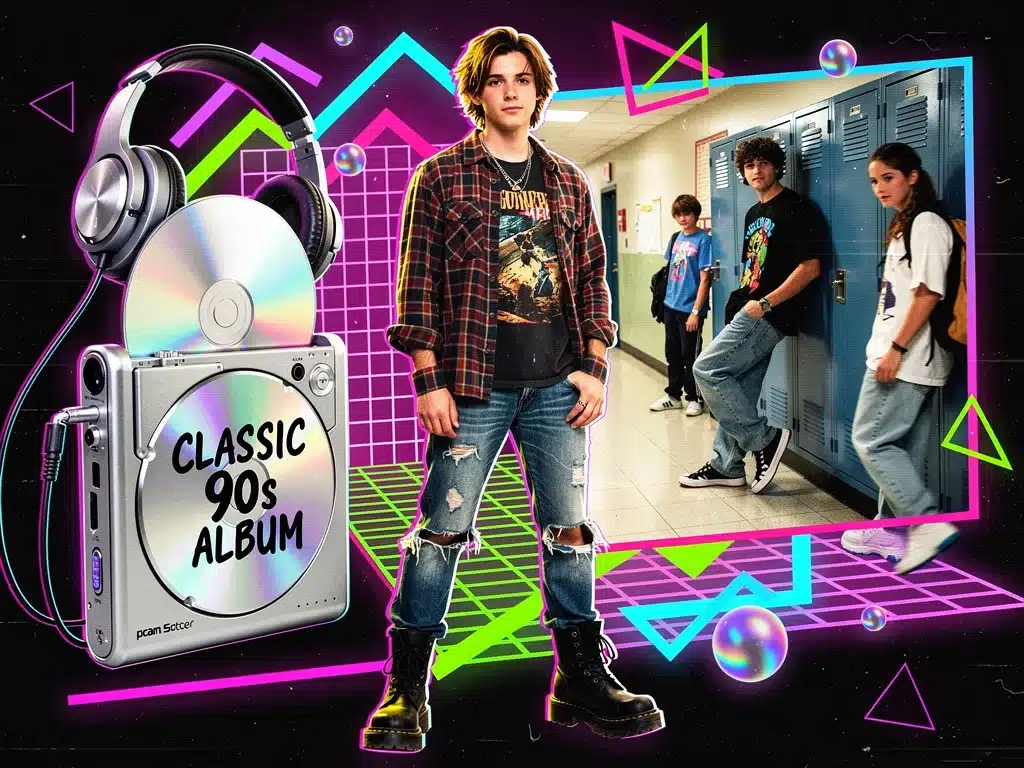
Is it just nostalgia, or are we collectively rewinding the clock? The 90s Pop Culture Comeback is officially taking over as vintage aesthetics reclaim top billing across runways, streaming platforms, and global music charts.
From low-profile street style to analogue film grain and raw guitar riffs, the late-20th-century vibe feels fresher than ever. Contemporary creators are trading polished hyper-digital media for grunge grit, R&B grooves, and minimalist silhouettes that defined an iconic era.
Whether you lived through the original decade or are discovering it for the first time, this retro revival offers a welcome antidote to modern burnout. Read on to see how Nineties energy is reshaping the creative landscape.
The Driving Forces Behind the 90s Pop Culture Comeback
Several key factors are converging to propel the 90s Pop Culture Comeback into a dominant trend for 2026. Demographic shifts play a crucial role, as millennials who grew up in the 90s now hold significant purchasing power and influence, seeking to reconnect with their youth.
This generation’s nostalgia fuels demand for authentic and reimagined 90s experiences across various media.
Furthermore, Gen Z, a demographic often characterized by its appreciation for vintage aesthetics and sustainable consumption, is actively discovering and embracing 90s styles.
Their engagement with thrift culture, social media trends, and a desire for unique self-expression aligns perfectly with the eclectic and often rebellious spirit of the decade. This intergenerational appeal solidifies the foundation for a lasting retro resurgence.
Technological advancements also contribute to the ease with which 90s content and aesthetics can be consumed and recreated.
Streaming platforms make classic films and TV shows readily available, while social media platforms allow for instant sharing and trend dissemination, amplifying the reach and impact of the 90s Pop Culture Comeback globally.
The digital landscape facilitates a continuous feedback loop that reinforces the trend.
Nostalgia as a Powerful Economic Engine
The emotional connection to the past is a potent force in consumer behavior, driving sales and engagement across multiple industries.
Brands are strategically leveraging this nostalgia by re-releasing classic products, collaborating with 90s icons, and designing new collections inspired by the era. This calculated approach capitalizes on consumers’ desire for comfort and familiarity in an ever-changing world.
This isn’t merely about selling old products; it’s about selling an experience, a feeling of simpler times.
The 90s Pop Culture Comeback taps into a collective yearning for authenticity and a less complicated era, providing a sense of escapism that resonates deeply with current societal moods.
The economic implications are significant, indicating a sustained market for 90s-inspired goods and entertainment.
- Re-release of iconic 90s fashion lines and footwear.
- Revival tours for popular 90s musical artists and bands.
- Remakes and reboots of beloved 90s films and television series.
- Digital platforms archiving and promoting 90s cultural content.
Fashion’s Full Circle: 90s Aesthetics on the Runway and Street
The fashion world is arguably the most visible arena for the 90s Pop Culture Comeback, with designers and consumers alike embracing distinct styles from the decade.
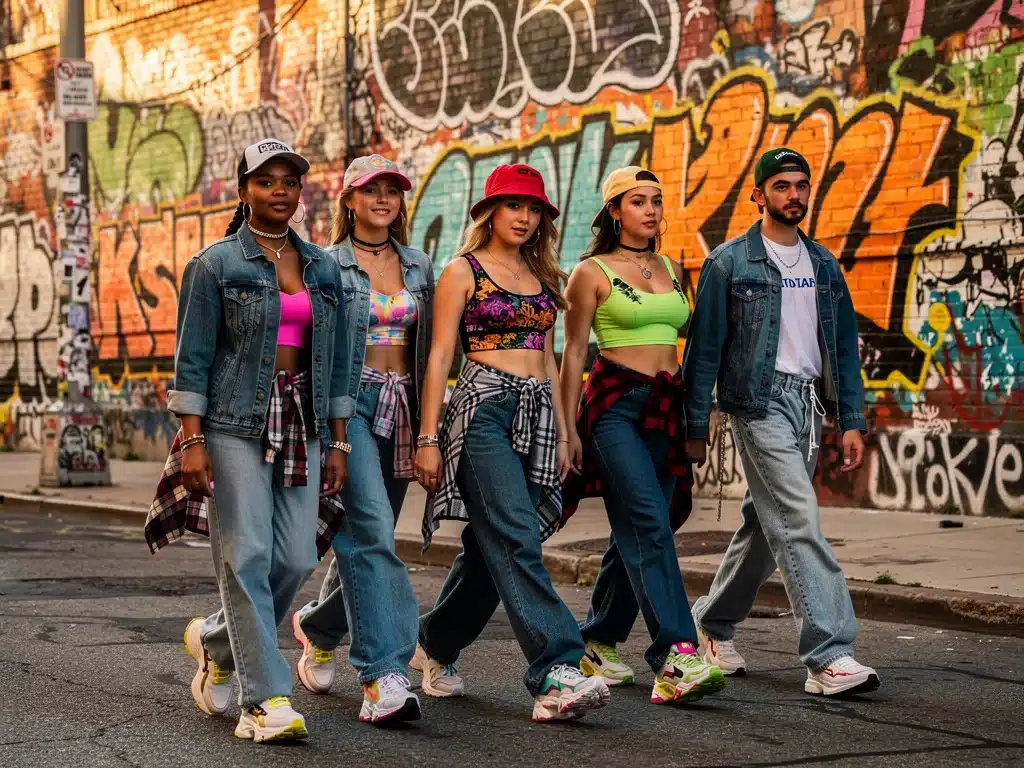
From grunge flannel shirts and baggy denim to slip dresses and minimalist silhouettes, the influence is undeniable. High fashion houses are incorporating these elements into their collections, while fast fashion brands quickly adapt them for mass appeal.
Utilitarian wear, sportswear, and oversized garments, once staples of 90s street style, are making a significant return, appealing to a generation that values comfort and practicality alongside aesthetic appeal.
The blending of high-end and casual elements, a hallmark of 90s fashion, is also being reinterpreted, creating versatile and accessible looks. This widespread adoption signals a robust and enduring trend.
Accessories play a crucial role in completing the 90s aesthetic, with chokers, scrunchies, bucket hats, and small shoulder bags dominating current trends.
Footwear, including chunky sneakers, platform shoes, and combat boots, further solidifies the retro resurgence. The meticulous attention to detail in recreating these looks underscores the depth of the 90s Pop Culture Comeback in fashion.
Key Fashion Trends Dominating the Comeback
Specific trends from the 90s are experiencing a powerful revival, transcending seasonal fads to become foundational elements of contemporary style.
The resurgence of minimalist aesthetics, characterized by clean lines and neutral palettes, offers a sophisticated counterpoint to more flamboyant trends. This approach emphasizes quality and timelessness, echoing the understated elegance of the decade.
Conversely, the vibrant and playful side of 90s fashion, including neon colors, tie-dye, and graphic prints, is also making a strong statement.
This duality allows for diverse interpretations of the 90s Pop Culture Comeback, catering to a wide range of personal styles. The fusion of these contrasting aesthetics creates a dynamic and exciting fashion landscape that constantly evolves while referencing its roots.
- Baggy jeans and cargo pants for a relaxed, urban look.
- Crop tops and baby tees paired with high-waisted bottoms.
- Slip dresses and spaghetti strap tops for effortless chic.
- Statement outerwear like oversized blazers and leather jackets.
The Sonic Landscape: 90s Music Reclaiming the Airwaves
Music from the 1990s is experiencing a profound resurgence, with artists and genres from the decade finding new audiences and influencing contemporary sounds.
Streaming platforms have made the extensive catalogs of 90s artists readily available, allowing both original fans and new listeners to explore and appreciate the era’s diverse musical offerings. This accessibility is crucial for the 90s Pop Culture Comeback in music.
Contemporary artists are openly citing 90s influences in their work, incorporating elements of grunge, R&B, hip-hop, and pop into their productions.
This isn’t merely imitation but a creative reinterpretation, blending nostalgic sounds with modern production techniques to create something fresh yet familiar. The result is a vibrant musical landscape that pays homage to the past while pushing boundaries.
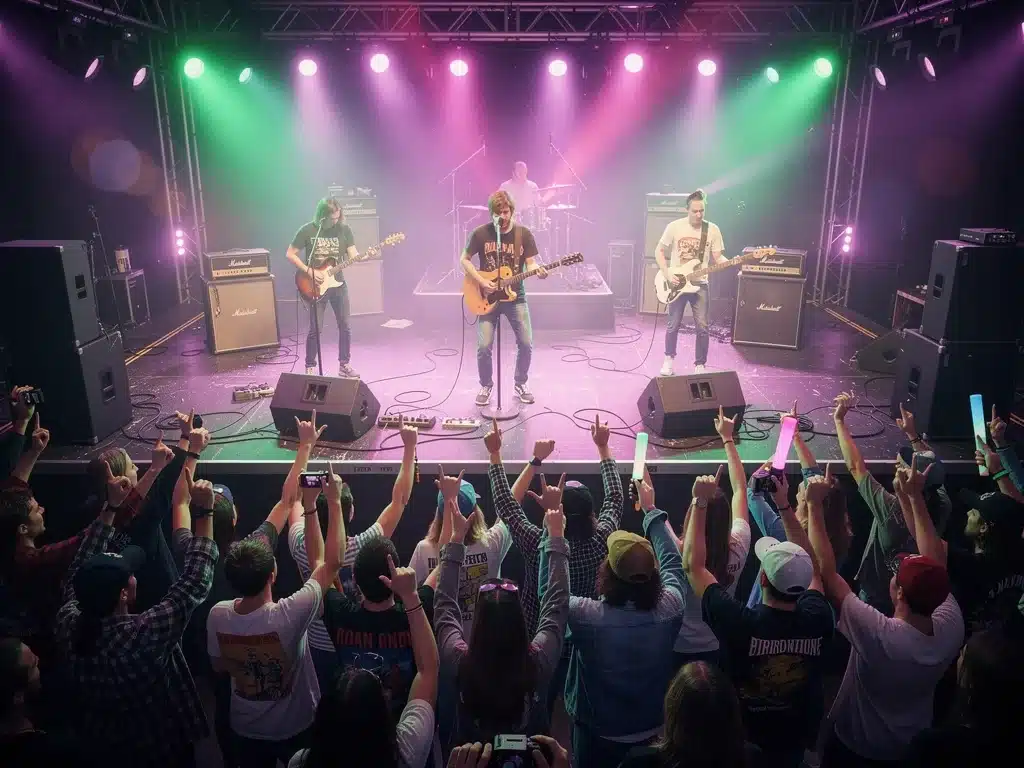
Live music events, including reunion tours and festivals dedicated to 90s artists, are drawing massive crowds, demonstrating the enduring appeal of the decade’s iconic acts.
The energy and enthusiasm surrounding these performances highlight the deep emotional connection many fans have to 90s music, solidifying its place in the ongoing 90s Pop Culture Comeback. The demand for these experiences continues to grow.
Genre Revival: From Grunge to R&B
Each distinct genre of the 90s is contributing to the overall musical retro resurgence in unique ways. Grunge, with its raw energy and introspective lyrics, continues to inspire a new wave of alternative rock bands.
The authenticity and anti-establishment ethos of grunge resonate particularly strongly with younger generations seeking genuine artistic expression.
Similarly, 90s R&B, characterized by its soulful vocals, intricate harmonies, and smooth production, is heavily influencing contemporary pop and R&B artists.
The emphasis on vocal prowess and storytelling from that era provides a rich foundation for current musicians. The smooth, melodic sounds are undeniably part of the 90s Pop Culture Comeback, offering a timeless appeal.
- Resurgence of vinyl sales for classic 90s albums.
- Hip-hop artists sampling iconic 90s beats and lyrics.
- Pop artists collaborating with 90s music producers and songwriters.
- Documentaries and retrospectives celebrating 90s music legends.
Cinematic Echoes: 90s Film and Television Reimagined
The film and television industries are actively participating in the 90s Pop Culture Comeback, with a growing number of remakes, reboots, and projects directly inspired by the decade.
This trend capitalizes on the familiarity and affection audiences hold for iconic 90s stories and characters. Studios are recognizing the commercial viability of revisiting beloved properties, ensuring their continued relevance.
Beyond direct adaptations, many new productions are subtly weaving 90s aesthetics, narrative structures, and thematic elements into their storytelling.
This includes fashion choices, soundtrack selections, and even specific camera techniques that evoke the visual language of the era. The influence of the 90s Pop Culture Comeback is pervasive, shaping the look and feel of contemporary media.
The rise of streaming services has also played a significant role by making a vast library of 90s films and TV shows accessible to a global audience.
This exposure allows for continuous discovery and appreciation, cementing the decade’s cultural footprint and ensuring its ongoing influence. The ease of access fuels the demand for new content that echoes the spirit of the 90s.
Why 90s Narratives Resonate Today
The themes and narratives explored in 90s films and television often touch upon universal experiences that remain relevant, contributing to the 90s Pop Culture Comeback.
Stories about coming-of-age, social alienation, technological anxieties, and the search for identity continue to resonate with modern audiences. These timeless topics are being re-examined through a contemporary lens, offering fresh perspectives.
Furthermore, the often simpler, less cynical storytelling approach of many 90s productions provides a comforting escape from the complexities of the modern world.
This sense of innocent charm and genuine emotion appeals to viewers seeking a break from overly dark or convoluted narratives. The straightforward appeal of 90s stories is a key driver of their enduring popularity and resurgence.
- Reboots of classic teen comedies and dramas.
- New series set in the 90s, exploring historical contexts.
- Filmmakers employing practical effects reminiscent of 90s cinema.
- Documentaries on the making of iconic 90s movies.
The Role of Social Media in Amplifying the Retro Resurgence
Social media platforms are indispensable catalysts for the 90s Pop Culture Comeback, providing a dynamic space for trends to emerge, spread, and solidify.
Platforms like TikTok, Instagram, and X (formerly Twitter) allow users to share nostalgic content, create themed challenges, and engage in discussions about 90s fashion, music, and film. This user-generated content acts as a powerful engine for cultural diffusion.
Influencers and content creators play a significant role in curating and popularizing 90s aesthetics, inspiring their followers to adopt retro styles and engage with vintage media.
Their ability to connect directly with vast audiences accelerates the spread of the 90s Pop Culture Comeback, transforming niche interests into mainstream phenomena. The visual nature of these platforms is particularly effective for fashion and film.
The interactive nature of social media fosters communities built around shared nostalgic interests, further solidifying the retro resurgence.
These online spaces allow fans to connect, share resources, and collectively celebrate the 90s, creating a continuous feedback loop that keeps the decade’s influence alive and evolving. The digital conversation is vital for sustaining this cultural wave.
Micro-Trends and Viral Moments
Within the broader 90s Pop Culture Comeback, social media fosters numerous micro-trends and viral moments that highlight specific aspects of the decade.
A particular dance move from a 90s music video, a distinctive fashion accessory, or a memorable line from a film can quickly gain traction, becoming a temporary obsession across platforms. These fleeting moments contribute to the overall momentum.
These viral phenomena often introduce 90s elements to younger audiences who might not have experienced them firsthand, sparking new interest and encouraging deeper exploration.
The rapid cycle of trends on social media ensures that the 90s Pop Culture Comeback remains fresh and continuously relevant, constantly finding new ways to manifest. This dynamic interplay keeps the retro resurgence vibrant and engaging.
- TikTok challenges featuring 90s dance moves and fashion.
- Instagram accounts dedicated to archiving 90s celebrity style.
- YouTube channels reviewing classic 90s video games and movies.
- Twitter discussions on the cultural impact of 90s music albums.
Beyond 2026: Sustaining the 90s Pop Culture Comeback
As we look beyond 2026, the question of how long the 90s Pop Culture Comeback will endure becomes pertinent. While cultural trends are inherently cyclical, the current resurgence appears to be more deeply embedded than a mere passing fad.
Its broad appeal across demographics and its pervasive influence across multiple creative industries suggest a sustained presence in popular culture for the foreseeable future.
The continuous innovation in how 90s elements are reinterpreted and integrated into contemporary contexts will be crucial for its longevity.
Rather than simply replicating the past, artists and designers are drawing inspiration from the 90s to create something new and relevant. This adaptive approach ensures that the 90s Pop Culture Comeback remains fresh and avoids becoming stale or overly repetitive.
The interplay between nostalgia and innovation, combined with the robust infrastructure of digital platforms, provides a strong foundation for the retro resurgence to evolve.
As new generations discover the charm of the 90s, and older generations continue to cherish its memories, the decade’s influence is likely to persist, adapting and transforming with the times. The 90s Pop Culture Comeback is a cultural phenomenon with staying power.
Future Adaptations and Interpretations
The future of the 90s Pop Culture Comeback will likely involve increasingly sophisticated adaptations and interpretations.
We can expect more nuanced explorations of the decade’s social and political contexts, moving beyond surface-level aesthetics to delve into its deeper cultural significance. This will offer richer, more meaningful engagement with the era for audiences.
Cross-genre collaborations and interdisciplinary projects that blend 90s influences in unexpected ways will also contribute to its evolution. Imagine a fashion line inspired by 90s cyberpunk films, or a musical artist creating an album that fuses 90s R&B with modern electronic sounds.
These creative fusions will keep the 90s Pop Culture Comeback dynamic and exciting, ensuring its continued relevance.
- Educational content exploring the historical context of 90s culture.
- Virtual reality experiences recreating iconic 90s environments.
- Sustainable fashion brands drawing inspiration from 90s upcycling trends.
- Interactive media allowing users to customize 90s-themed content.
| Key Trend | Impact Area |
|---|---|
| Fashion Revival | Grunge, minimalism, and sportswear influencing current collections. |
| Music Influence | 90s R&B, hip-hop, and alternative inspiring new artists and tours. |
| Film & TV Reboots | Classic 90s narratives and aesthetics reimagined for modern audiences. |
| Social Media Amplification | Platforms driving viral trends and community engagement around 90s culture. |
Frequently Asked Questions About the 90s Pop Culture Comeback
The 90s Pop Culture Comeback is primarily driven by millennial nostalgia and Gen Z’s appreciation for vintage aesthetics. Social media amplification and the accessibility of 90s content on streaming platforms also play crucial roles. Economic factors, leveraging consumer desire for comfort and familiarity, further fuel this widespread retro resurgence.
Key fashion trends from the 90s Pop Culture Comeback include baggy denim, cargo pants, crop tops, slip dresses, and chunky sneakers. Minimalist silhouettes and utilitarian wear are also prominent, alongside accessories like chokers, scrunchies, and bucket hats. These styles are being reinterpreted by both high fashion and fast fashion brands.
90s music genres like R&B, hip-hop, grunge, and pop are heavily influencing contemporary artists, who incorporate these sounds into new productions. Streaming platforms make classic 90s albums accessible, while reunion tours and festivals dedicated to 90s acts draw large crowds, reinforcing the 90s Pop Culture Comeback in the music industry.
Yes, the 90s Pop Culture Comeback is leading to numerous film and TV reboots, remakes, and projects inspired by the decade. Studios are capitalizing on audience affection for iconic 90s stories and characters. Beyond direct adaptations, new productions are also subtly integrating 90s aesthetics and narrative themes, ensuring a strong presence for the retro resurgence.
Social media platforms like TikTok and Instagram are crucial for amplifying the 90s Pop Culture Comeback. They allow users to share nostalgic content, create viral challenges, and engage in discussions about 90s trends. Influencers popularize these aesthetics, introducing them to new audiences and fostering communities around shared interests, sustaining the retro resurgence’s momentum.
Looking Ahead
The pervasive influence of the 90s Pop Culture Comeback signifies more than a fleeting trend; it represents a deep cultural recalibration.
As 2026 approaches, the integration of 90s aesthetics and themes into contemporary fashion, music, and film will continue to evolve, offering both nostalgic comfort and fresh interpretations.
It is crucial to monitor how creators balance homage with innovation, ensuring the retro resurgence remains vibrant and relevant for diverse audiences. The sustained impact highlights a continuing appreciation for the decade’s unique cultural footprint.
The future of the 90s Pop Culture Comeback will likely involve increasingly sophisticated adaptations and interpretations.
We can expect more nuanced explorations of the decade’s social and political contexts, moving beyond surface-level aesthetics to delve into its deeper cultural significance. This will offer richer, more meaningful engagement with the era for audiences.
Cross-genre collaborations and interdisciplinary projects that blend 90s influences in unexpected ways will also contribute to its evolution.
Imagine a fashion line inspired by 90s cyberpunk films, or a musical artist creating an album that fuses 90s R&B with modern electronic sounds. These creative fusions will keep the 90s Pop Culture Comeback dynamic and exciting, ensuring its continued relevance.