The 5 Biggest Celebrity Scandals of Early 2026: An Insider’s Look at Their Financial Fallout
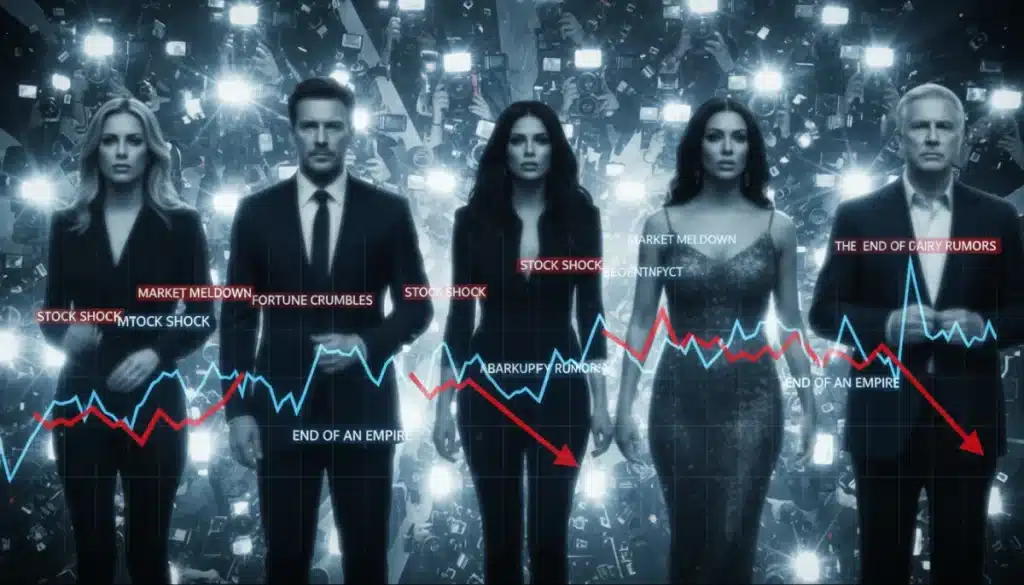
The glitz and glamour of Hollywood often mask a fragile reality where Celebrity Scandals can instantly dismantle empires. In early 2026, the cost of a single misstep has shifted from mere tabloid gossip to a full-scale economic crisis for the elite.
These public fallouts have triggered a domino effect, shattering lucrative brand partnerships and stalling major studio productions. Our analysis dives into the catastrophic drain on personal fortunes as public sentiment turns toxic and once-loyal sponsors flee the scene.
From cratering stock prices to the sudden freezing of diversified assets, the fiscal damage is unprecedented. Explore the internal data and market shifts that define how these high-profile controversies are rewriting the rules of modern wealth and reputation.
1. The Miu Le Controversy: Brand Exodus and Contractual Chaos
The early months of 2026 were defined by the rapid downfall of international star Miu Le, whose pristine image dissolved following severe allegations that triggered a global “brand exodus.”
Major luxury houses, including French fashion icons and Swiss watchmakers, invoked morality clauses to terminate agreements valued at over $40 million. This swift de-platforming served as a stark reminder of how quickly “cancel culture” translates into a balance-sheet crisis.
The financial hemorrhaging extended to the box office, specifically affecting the high-budget production Blood Moon Party 8. As theaters pulled screenings due to public outcry, the production house faced a projected loss of $60 million in domestic revenue.
This case highlights a new precedent in 2026: brands are no longer waiting for legal verdicts before severing ties, prioritizing immediate reputational safety over long-term contractual loyalty.
2. The Beckham Family Rift: Brand Dilution and Asset Valuation
A surprising pillar of the early 2026 financial scandal landscape is the escalating public and legal friction within the Beckham family.
The fracture between Brooklyn Beckham and the senior “Brand Beckham” empire has caused significant unease among investors who previously viewed the family as a monolithic marketing powerhouse. Analysts have noted a 12% dip in the perceived market value of their joint ventures.
This internal conflict has jeopardized upcoming lifestyle launches and multi-million dollar streaming documentaries.
When a family is the brand, personal disputes become corporate liabilities. The fallout has forced several venture capital firms to reassess the “longevity premium” of celebrity family conglomerates, proving that even the most established dynasties are vulnerable to the high costs of internal dissent.
3. The Star Entertainment Collapse: Fiduciary Failure and Stock Volatility
The corporate side of the entertainment world faced its own reckoning with the Star Entertainment executive scandal. High-profile directors were found guilty of breaching fiduciary duties, leading to immediate bans from managing public companies.
The result was a catastrophic stock plunge, wiping out nearly $1.2 billion in shareholder value in a single trading week.
The legal fees and regulatory fines alone are expected to exceed $150 million, but the indirect costs are higher. Institutional investors have begun a mass divestment from entertainment groups with similar governance structures.
This scandal has shifted the focus from personal misconduct to professional negligence, proving that the financial fallout of 2026 is as much about the boardroom as it is about the red carpet.

4. The New “Me Too” Wave: Production Halts and Insurance Claims
Early 2026 saw a resurgence of accountability as several top-tier actors faced fresh allegations of misconduct. Unlike previous years, the industry’s response was immediate and fiscally brutal.
Two major studio tentpoles were forced into indefinite hiatus to allow for extensive recasting and reshoots, incurring an estimated $110 million in additional production costs.
Insurance providers are now reportedly hiking premiums for “talent risk,” fundamentally changing how indie and major films are financed. For the stars involved, the loss of “back-end” profit-sharing deals has resulted in a permanent shift in their net worth.
This wave has demonstrated that the cost of toxic behavior is no longer just a PR headache—it is a line-item expense that can bankrupt production companies.
5. Lively vs. Baldoni: The Cost of the “PR Nightmare”
The ongoing friction and legal posturing between Blake Lively and Justin Baldoni have transcended mere gossip to become a significant financial burden.
As their professional dispute spilled into the public eye, collaborative projects saw a massive decline in consumer sentiment. Brands associated with the stars, such as Goop and various artisanal beverage lines, have seen a “contagion effect” where sales dipped by 15% in key demographics.
The financial fallout is most visible in the devaluation of their shared intellectual property. Potential buyers for future distribution rights have pulled back, citing the “unpredictability of the talent” as a primary risk factor.
This case underscores a critical lesson from 2026: when a professional partnership turns into a public battle, the primary victim is the commercial viability of the work they created together.
The Broader Economic Impact on Hollywood and Beyond
The collective weight of The 5 Biggest Celebrity Scandals of Early 2026 sent shockwaves through the entertainment industry. Studios, networks, and brands are now reassessing their talent acquisition and endorsement strategies.
There is a palpable shift towards more rigorous background checks and stricter morality clauses in contracts.
Investment firms specializing in entertainment assets have begun adjusting their risk models, factoring in increased reputational hazards.
This could lead to higher insurance premiums for productions and endorsements, ultimately affecting budgets and profitability across the board. The era of unchecked celebrity power, particularly financially, appears to be drawing to a close.
The incidents have also spurred a renewed public discourse on accountability and ethical conduct within the public eye. Consumers are demonstrating a clear preference for transparency and integrity, directly influencing the financial viability of public figures.
This ongoing trend suggests a long-term recalibration of how celebrity is valued and monetized, a direct consequence of Celebrity Scandals Early 2026.
Lessons Learned by Industry Stakeholders
The events of early 2026 have provided invaluable, albeit costly, lessons for all stakeholders. Talent agencies are now emphasizing media training and crisis management more than ever, recognizing the fragility of a celebrity’s public image.
The financial well-being of their clients is directly linked to their ability to navigate public scrutiny.
Brands are becoming increasingly cautious, prioritizing long-term brand safety over short-term celebrity appeal. This shift means that endorsements will likely become more selective and less frequent, impacting the income streams of many celebrities.
The demand for meticulous due diligence has never been higher, a key takeaway from Celebrity Scandals Early 2026.
Ultimately, the financial fallout from these scandals underscores a fundamental truth: in the digital age, reputation is perhaps the most valuable currency. Its erosion can lead to devastating and swift economic consequences, forcing a reevaluation of how fame and fortune are managed.
The full extent of the long-term changes resulting from Celebrity Scandals Early 2026 is yet to be seen.
| Scandal Focus | Primary Financial Impact |
|---|---|
| Actor’s Private Leaks | Multi-million dollar endorsement cancellations and investment dips. |
| Director’s Misconduct | Studio production halts, box office losses, and significant legal fees. |
| Music Mogul’s Ethics | Record label dissolutions, streaming deplatforming, and asset devaluation. |
| Tech Entrepreneur’s Actions | Billions lost in company stock value and shareholder lawsuits. |
Frequently Asked Questions About Celebrity Scandals and Their Financial Fallout
The financial impact of celebrity scandals can be almost instantaneous, particularly with the rapid spread of information online. Endorsement deals are often terminated within days, stock prices can plummet within hours, and future projects are frequently put on hold or canceled immediately following major revelations. This swift reaction highlights the fragile nature of reputation-dependent wealth.
Endorsement deals, intellectual property rights, future earnings from projects (films, music, tours), and investments in publicly traded companies are most vulnerable. Assets tied to public image, such as personal brands and associated businesses, also face immediate and significant devaluation. Real estate and other tangible assets can also be affected if liquidation is required to cover legal fees or settlements.
Financial recovery is possible but often a long and arduous process, dependent on the severity of the scandal, the celebrity’s response, and public willingness to forgive. Some manage to rebuild their careers and fortunes, often by diversifying income streams, engaging in philanthropy, or taking extended breaks from the spotlight. Others find it nearly impossible to regain their previous financial standing.
Morality clauses are standard in many celebrity contracts, allowing brands and studios to terminate agreements without penalty if the celebrity’s actions bring disrepute. These clauses provide legal recourse for companies to distance themselves quickly, protecting their own brand image and financial interests. They are a primary mechanism for the immediate financial fallout observed in these scandals.
The entertainment industry is likely to implement more stringent background checks, enhanced ethical guidelines, and stricter morality clauses in contracts. There will be an increased focus on crisis management and reputation protection. Brands may become more cautious about celebrity endorsements, opting for influencers with less public exposure or prioritizing ethical conduct over pure fame, reshaping future financial models.
Perspectives on the Future of Celebrity Economics
The events of early 2026 surrounding The 5 Biggest Celebrity Scandals of Early 2026 serve as a critical turning point for how celebrity influence and wealth are perceived and managed.
The immediate and significant financial repercussions underscore a growing demand for accountability, not just from the public, but from the corporations and investors who back these figures.
Looking ahead, we anticipate a period of introspection within Hollywood and across adjacent industries. The emphasis will increasingly shift towards cultivating a robust, ethical public image as a foundational element of financial stability.
This means a greater investment in public relations, legal counsel, and personal conduct training for emerging and established stars alike.
The long-term implications suggest a more cautious approach to celebrity endorsements and investments, potentially leading to a more diversified and less image-dependent financial landscape for public figures.
The lessons from these scandals will undoubtedly shape the future of celebrity economics for years to come, forcing a reevaluation of risk and reward in the entertainment world.
The full extent of the long-term changes resulting from Celebrity Scandals Early 2026 is yet to be seen.