5 Crucial Comic Pressing Techniques to Boost CGC Grades
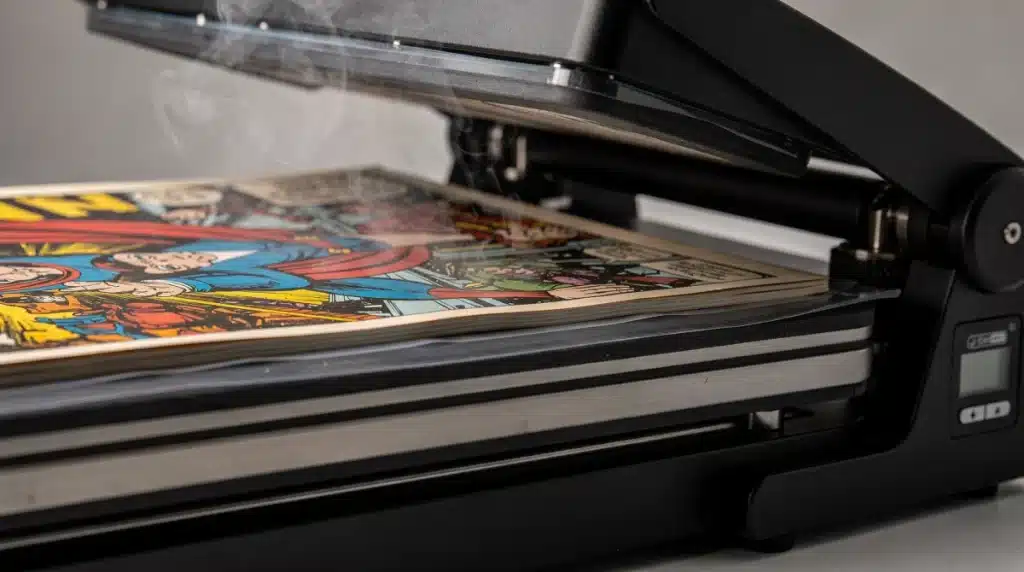
Tired of watching a tiny spine tick or cover wave hold your key issue back from a near-mint slab? Mastering five essential Comic Pressing Techniques is often the secret to bumping a CGC 9.4 into a coveted 9.8—and unlocking thousands in added resale value.
By combining controlled humidity, targeted heat, and archival buffers, collectors can safely relax paper fibers and flatten non-color-breaking defects. This non-restorative conservation process restores a book’s crisp structural integrity without altering its original ink.
Whether you are prepping raw back issues at home or evaluating a professional service before submission, precision makes all the difference. Here are the five proven flattening methods that consistently elevate your grading results.
Understanding Comic Pressing Fundamentals
Comic pressing involves the careful application of controlled heat and pressure to a comic book, aiming to smooth out imperfections. This process is distinct from restoration, as it does not add or remove material, but rather reshapes existing paper fibers.
The goal is to revert the comic to a flatter, more aesthetically pleasing condition, often crucial for achieving higher grades.
The science behind pressing is fairly straightforward: heat makes paper fibers pliable, and pressure then reshapes them. When cooled under pressure, the fibers retain their new, flatter form. However, executing this safely and effectively requires specialized knowledge and equipment to avoid damage.
Successfully employing 5 crucial comic pressing techniques demands precision. Incorrect temperatures, excessive pressure, or improper handling can permanently damage a comic, negating any potential grade improvement.
Therefore, a thorough understanding of each step is essential for any collector considering this process.
The Role of Temperature and Humidity
Temperature control is perhaps the most critical factor in comic pressing. Different paper types and ages react uniquely to heat, requiring a nuanced approach. A low, consistent temperature is generally preferred to prevent scorching or drying out the paper, which can lead to brittleness.
Humidity also plays a significant role, as dry paper is more prone to tearing and cracking during pressing. Introducing a controlled amount of moisture can make the paper more flexible, allowing imperfections to be smoothed out more effectively.
This often involves humidifying the comic before pressing or using a steam press.
- Controlled Heat: Maintaining a steady, appropriate temperature is vital to soften paper fibers without causing damage.
- Moisture Management: Proper humidification prevents brittleness and enhances the paper’s ability to reshape under pressure.
- Paper Type Consideration: Different paper stocks require varied heat and moisture settings for optimal results.
These elements work in tandem to create the ideal conditions for a successful press. Neglecting either temperature or humidity can lead to suboptimal results or, worse, irreversible damage to the comic book.
Preparation: The First Step to Higher Grades
Before any pressing can begin, thorough preparation of the comic book is essential. This stage involves a meticulous inspection and cleaning process to ensure the comic is ready to receive heat and pressure. Proper preparation sets the foundation for the success of all 5 crucial comic pressing techniques.
Dust, dirt, and surface grime can become embedded into the paper during pressing, leading to permanent stains.
Therefore, a careful dry cleaning with specialized tools, such as kneaded erasers and microfiber cloths, is paramount. This removes superficial contaminants without abrading the paper.
Additionally, inspecting for any structural weaknesses, such as loose staples or tears, is crucial. These issues should be addressed or carefully noted before pressing, as the process can exacerbate existing damage. A well-prepared comic is a safer and more effective candidate for pressing.
Dry Cleaning and De-acidification
Dry cleaning is the initial defense against surface contaminants. Using soft, non-abrasive tools, collectors carefully remove any foreign particles that could hinder the pressing process. This step is critical for maintaining the comic’s original integrity.
De-acidification, while not strictly part of the pressing process, is often performed in conjunction to preserve the comic long-term.
Acidic paper degrades over time, becoming brittle and yellow. Neutralizing these acids can extend the life of the comic, making it a more stable candidate for pressing. This is a crucial step in the overall preservation strategy.
- Surface Cleaning: Remove dust and grime using appropriate dry cleaning tools.
- Eraser Techniques: Gently lift surface dirt with kneaded erasers, avoiding abrasive rubbing.
- De-acidification Options: Consider professional de-acidification sprays or baths for long-term preservation.
These preparatory steps ensure that the comic is not only clean but also chemically stable, providing the best possible canvas for the pressing process. Skipping these steps can lead to disappointing results or even damage.
The Pressing Process: Precision and Patience
Once prepared, the comic enters the pressing stage, where the 5 crucial comic pressing techniques truly come into play. This phase requires extreme precision, careful monitoring, and a significant amount of patience. Rushing the process can lead to uneven results or damage.
The comic is placed between acid-free boards or Mylar sheets, which protect it from direct contact with the heat source and ensure even pressure distribution.
These protective layers are essential for preventing sticking or transfer of inks, maintaining the comic’s pristine condition throughout the process.
The duration of the press varies depending on the comic’s condition, paper type, and the specific equipment used. Multiple short presses are often preferred over one long one, allowing for intermittent inspections and adjustments. This iterative approach helps achieve optimal results safely.
Even Pressure Distribution
Achieving even pressure across the entire surface of the comic is fundamental to successful pressing.
Uneven pressure can result in some areas being flattened while others remain creased, or even cause new imperfections. Specialized pressing equipment is designed to distribute pressure uniformly.
Using a hydraulic press or a carefully weighted system ensures that force is applied consistently.
The correct amount of pressure is also important; too little will be ineffective, while too much can damage the spine or internal pages. This delicate balance is key to mastering 5 crucial comic pressing techniques.
The use of a platen that perfectly matches the size of the comic, along with appropriate padding, further aids in even pressure. This attention to detail prevents pressure points and ensures a smooth, uniform finish across the entire book. It’s a critical element in achieving those higher grades.
Post-Pressing: Cooling and Inspection
The pressing process doesn’t end when the heat is turned off. The cooling phase is just as critical for setting the comic’s new, flattened state. Improper cooling can lead to the reappearance of imperfections or even introduce new ones, undoing all the careful work.
The comic must be allowed to cool completely under pressure. Removing it too early, while the paper fibers are still pliable, will cause them to spring back to their original, imperfect shape. This patient cooling period ensures the comic retains its improved condition.
Once fully cooled, a thorough inspection is necessary. This involves carefully examining the comic for any remaining imperfections, assessing the effectiveness of the press, and identifying any new issues. This step is crucial for evaluating the success of the 5 crucial comic pressing techniques applied.
Controlled Cooling Under Pressure
Controlled cooling under continuous pressure is paramount. This means leaving the comic in the press, or under heavy, even weights, until it has returned to room temperature. This gradual cooling allows the paper fibers to stabilize in their new, flattened configuration.
Rushing the cooling process can cause the paper to warp or the creases to reappear. The longer the comic remains under pressure during cooling, the better the chances of a lasting, flat result. This patience is a hallmark of professional pressing.
- Extended Cooling: Allow the comic to cool completely under pressure for several hours or overnight.
- Stable Environment: Ensure the cooling area is free from drafts or significant temperature fluctuations.
- Gentle Removal: Carefully remove the comic once fully cooled to avoid reintroducing bends or creases.
This final step is often overlooked but is absolutely vital for solidifying the improvements gained from the pressing process. It’s the last opportunity to ensure the comic achieves its highest possible grade.
Advanced Techniques for Stubborn Imperfections
While the basic 5 crucial comic pressing techniques address most common imperfections, some stubborn issues require more advanced approaches.
These might include significant spine rolls, deeply set creases, or severe rippling. Addressing these effectively can be the difference between a 9.4 and a 9.8 grade.
One such technique involves localized humidification, where only the affected area receives moisture, making it more pliable for targeted pressing. This prevents unnecessary exposure of the entire comic to humidity, which can be detrimental to delicate paper.
Another advanced method is the use of specialized tools, such as bone folders, to gently work out creases before pressing.
This manual manipulation, combined with precise heat and pressure, can resolve issues that a standard press alone might not fully correct. These methods underscore the expertise required for top-tier results.
Targeted Humidification and Spot Pressing
For specific, localized imperfections, targeted humidification can be highly effective. Instead of humidifying the entire comic, a small, controlled amount of moisture is applied directly to the creased or wrinkled area. This softens the paper fibers precisely where needed.
Following targeted humidification, spot pressing with a smaller, more focused heat source can then be employed.
This allows for concentrated heat and pressure on the stubborn imperfection, driving it out without affecting the surrounding areas. This level of detail is often what elevates a comic to a higher grade.
- Localized Moisture: Apply humidity only to specific areas requiring attention.
- Precision Heat Tools: Use small, controlled heat sources for spot pressing.
- Gentle Manipulation: Combine heat and moisture with careful manual work to smooth out imperfections.
These advanced techniques require a delicate touch and a deep understanding of paper mechanics. They are often employed by professional pressers to achieve the highest possible grades on challenging comic books, demonstrating the full potential of 5 crucial comic pressing techniques.
Maintaining Optimal Pressing Conditions
Consistency in pressing results comes from maintaining optimal environmental and equipment conditions.
This includes factors beyond just the comic itself, such as the ambient temperature and humidity of the pressing environment, and the calibration of the pressing equipment. Neglecting these can lead to unpredictable outcomes.
A stable, dust-free workspace is essential to prevent new contaminants from adhering to the comic during the process. Fluctuations in room temperature or humidity can also affect how the paper responds to heat and pressure, making consistent results harder to achieve.
Regular calibration and maintenance of pressing equipment are also critical. Ensuring that thermostats are accurate and pressure plates are level guarantees that the intended heat and pressure are consistently applied. This diligence is key to repeatedly achieving high-grade results through 5 crucial comic pressing techniques.
Equipment Calibration and Workspace Control
Accurate equipment calibration is non-negotiable for consistent pressing. Thermometers and pressure gauges must be checked regularly to ensure they provide precise readings. Even slight deviations can lead to either ineffective pressing or, worse, damage to the comic book.
Controlling the workspace environment is equally important. A dedicated pressing area that minimizes dust and maintains a stable temperature and humidity level contributes significantly to success.
This controlled environment reduces variables and allows for more predictable outcomes with each press.
- Regular Equipment Checks: Calibrate thermostats and pressure gauges frequently.
- Clean Environment: Maintain a dust-free workspace to prevent contamination.
- Stable Ambient Conditions: Control room temperature and humidity for consistent paper response.
By focusing on these operational details, collectors and pressers can ensure that each application of 5 crucial comic pressing techniques is performed under the best possible circumstances, maximizing the chances of bumping grades from 9.4 to 9.8.
The Impact of Pressing on Collectible Value
The tangible impact of successful comic pressing on collectible value is undeniable. A comic book that moves from a CGC 9.4 to a 9.8 can see a substantial increase in market price, often justifying the investment in pressing services or equipment.
This grade bump is a direct result of effectively employing 5 crucial comic pressing techniques.
Collectors and investors alike recognize that higher grades command premium prices. The removal of minor flaws, such as subtle creases or bends, significantly improves a comic’s eye appeal, making it more desirable to buyers.
This enhancement is purely cosmetic, yet its effect on value is profound.
Furthermore, pressing contributes to the long-term preservation of the comic. By flattening and stabilizing the paper, it reduces the likelihood of further degradation, ensuring the comic remains in excellent condition for years to come.
This dual benefit of increased value and enhanced preservation makes pressing an indispensable tool for serious collectors.
Market Trends and Investment Returns
Current market trends clearly indicate a preference for higher-graded comic books, particularly those in the 9.8 range. Comics with minor imperfections, even those graded 9.4, often lag behind in value compared to their pristine counterparts. Pressing bridges this gap, making a 9.4 more competitive.
The return on investment for pressing can be significant. For a comic valued at a few hundred dollars at a 9.4, achieving a 9.8 could potentially double or triple its value, depending on rarity and demand.
This financial incentive drives many collectors to explore 5 crucial comic pressing techniques as a viable investment strategy.
- Increased Market Value: Higher grades consistently fetch premium prices in the collectible market.
- Enhanced Liquidity: Pristine comics are generally easier and quicker to sell.
- Long-term Asset Protection: Pressing aids in the preservation of the comic, safeguarding its value over time.
Understanding these market dynamics underscores why mastering 5 crucial comic pressing techniques is not just about aesthetics, but about smart financial decisions in the world of comic book collecting.
Ethical Considerations and Grading Standards
While pressing is widely accepted in the comic book collecting community, it’s important to differentiate it from restoration, which involves adding material or altering the comic.
Reputable grading companies like CGC acknowledge pressing as a non-restorative conservation method, provided it doesn’t involve chemical alteration or material addition. This distinction is vital for maintaining transparency and ethical standards.
Grading standards are meticulously applied, and graders are trained to detect any signs of improper pressing or hidden restoration.
The goal of pressing is to improve the comic’s appearance by removing existing flaws, not to conceal damage or alter its original state. Adhering to these ethical guidelines ensures the integrity of the hobby.
Collectors must be aware of the boundaries between acceptable pressing and unacceptable restoration. Any intervention that goes beyond merely flattening and cleaning the comic can negatively impact its grade and market perception.
Transparency regarding any work performed is always the best policy when submitting comics for grading.
Transparency in the Pressing Process
Transparency is key when discussing comic pressing. While pressing is generally accepted, full disclosure of any work performed, especially if it involved more aggressive techniques, builds trust within the community. Reputable pressers provide detailed reports of their processes.
Grading companies rely on the honesty of submitters to accurately assess a comic’s condition. While pressing itself is not considered restoration, attempting to hide significant defects through pressing, or using methods that mimic restoration, can lead to lower grades or even disqualification.
The ethical application of 5 crucial comic pressing techniques is paramount.
- Distinguish Pressing from Restoration: Understand that pressing is conservation, not alteration.
- Disclose All Work: Be transparent about any pressing or cleaning performed on a comic.
- Adhere to Grading Guidelines: Familiarize yourself with how grading companies view various conservation methods.
By upholding ethical standards and transparency, collectors contribute to the integrity of the comic book market and ensure that the benefits of 5 crucial comic pressing techniques are realized responsibly.
| Key Technique | Brief Description |
|---|---|
| Controlled Heat Application | Precise temperature management to soften paper fibers without damage. |
| Even Pressure Distribution | Uniform force across the comic to eliminate creases and dimples. |
| Meticulous Preparation | Thorough dry cleaning and pre-inspection before pressing. |
| Controlled Cooling | Allowing the comic to cool under pressure to set the flattened state. |
Frequently Asked Questions About Comic Pressing
Comic pressing is a conservation technique that uses controlled heat and pressure to flatten out imperfections like creases, bends, and rippling in comic books. It aims to improve the comic’s aesthetic appeal and structural integrity without adding or removing material, thereby boosting its potential grade.
Yes, improper pressing can definitely damage a comic book. Overheating, excessive pressure, or incorrect moisture application can lead to scorching, tearing, or permanent warping. It is crucial to follow established 5 crucial comic pressing techniques and use appropriate equipment to avoid irreversible damage.
Pressing can often improve a comic’s grade by one or two points, commonly bumping a CGC 9.4 to a 9.6 or even a 9.8. The extent of improvement depends on the comic’s initial condition and the skill of the presser. It’s most effective for non-color-breaking defects.
No, pressing is generally not considered restoration by major grading companies like CGC, as long as no materials are added or removed. It’s classified as a conservation method. However, any attempt to hide significant damage or use chemical alterations would be flagged as restoration.
Essential tools include a heat press with accurate temperature control, acid-free backing boards or Mylar sheets, a humidifier (optional but recommended), and dry cleaning supplies like kneaded erasers. Understanding how to use these tools effectively is part of mastering 5 crucial comic pressing techniques.
Perspectives
The consistent success of 5 crucial comic pressing techniques in elevating CGC grades from 9.4 to 9.8 underscores its vital role in the modern comic collecting landscape.
As market values for high-grade comics continue to climb, mastering these methods becomes increasingly important for collectors aiming to maximize their investments.
The ongoing refinement of pressing technology and a deeper understanding of paper science promise even more effective and safer techniques in the future, further solidifying pressing as an indispensable practice for serious enthusiasts.