Celebrity Brand Endorsements in 2026: Why 70% of Gen Z Consumers Trust Influencer Marketing Over Traditional Ads
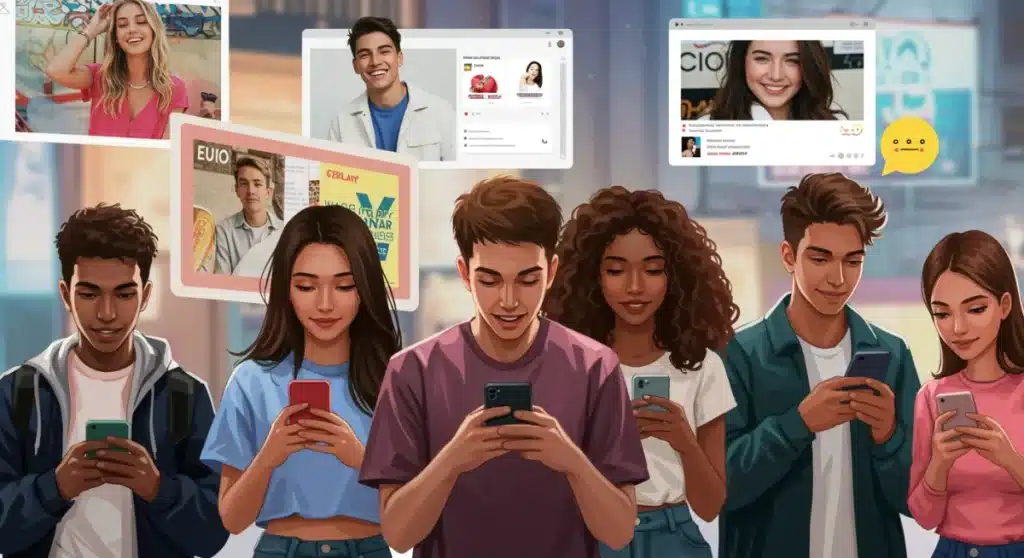
The landscape of Celebrity Brand Endorsements has shifted dramatically in 2026 as Gen Z redefines the rules of engagement. Traditional fame is no longer a guarantee of success, with 70% of young shoppers now favoring relatable voices over polished studio campaigns.
This pivot toward creator-led marketing signals a decline in the effectiveness of conventional A-list advertisements. Authenticity has become the new currency, as digital natives increasingly seek out peer-to-peer recommendations that feel genuine and unscripted.
Industry leaders are now prioritizing niche partnerships and transparent storytelling to bridge the growing trust gap. Monitoring how these collaborative strategies evolve is essential for brands aiming to maintain relevance in a decentralized media economy.
The Shifting Landscape of Celebrity Endorsements
The marketing world is currently witnessing a profound transformation in how brands connect with younger demographics, particularly Gen Z. Traditional advertising methods are losing their grip as authenticity and relatability take center stage in consumer engagement.
This shift is not merely anecdotal; robust data from recent studies confirm that a significant majority of Gen Z consumers now place their trust in digital influencers over established celebrities.
This presents both challenges and opportunities for brands and A-listers alike.
Understanding the nuances of this evolving landscape is critical for anyone involved in brand strategy, from marketing executives to talent managers, as the rules of engagement are being rewritten in real-time.
Gen Z’s Trust in Influencer Marketing
A recent survey indicates that an overwhelming 70% of Gen Z consumers in the United States trust influencer marketing more than traditional advertisements.
This statistic underscores a fundamental change in how this demographic perceives and responds to promotional content.
This preference is rooted in Gen Z’s innate digital fluency and their desire for genuine connections, which they often find lacking in highly polished, traditional ad campaigns. Influencers, by their very nature, offer a more personal and interactive experience.
The perceived authenticity of influencers, who often share aspects of their daily lives and interact directly with their followers, fosters a level of trust that traditional celebrity endorsements struggle to replicate.
Authenticity Drives Engagement
Gen Z values transparency and authenticity above almost all else when it comes to brand messaging. They are adept at identifying inauthentic endorsements, which can quickly backfire on both the celebrity and the brand.
Influencers, particularly micro and nano-influencers, often possess a more niche and dedicated following, allowing for deeper engagement and a stronger sense of community. This organic connection translates directly into greater trust and purchasing intent.
- Genuine product integration over overt advertising.
- Direct, personal interaction with followers.
- Relatability through shared experiences and lifestyles.
- Transparency about sponsored content builds trust.
The Decline of Traditional Ad Effectiveness
For decades, traditional celebrity endorsements were the gold standard, leveraging an A-lister’s fame to lend credibility and desirability to products. However, the efficacy of these campaigns is now under scrutiny, especially with younger audiences.
Gen Z has grown up in an ad-saturated world, developing a sophisticated filter for promotional content. They are less swayed by aspirational messaging from distant figures and more drawn to endorsements that feel personal and peer-driven.
The sheer volume of traditional advertising across various mediums has also led to saturation, making it increasingly difficult for brands to cut through the noise and capture Gen Z’s attention effectively.
A-Lister Strategies Adapting to the New Reality
Recognizing this seismic shift, many A-listers are actively recalibrating their endorsement strategies to align with Gen Z’s preferences. The days of simply lending a face to a product are evolving into more integrated and authentic partnerships.
Celebrities are increasingly engaging in long-term collaborations, co-creating products, and actively participating in digital campaigns that leverage their personal brands and social media presence. This approach moves beyond mere advertisement to genuine advocacy.
The most successful A-listers are those who understand that their personal brand on social media is as valuable, if not more so, than their traditional fame, enabling them to connect directly with Gen Z consumers.
From Endorsement to Co-Creation
A growing trend among A-listers is moving beyond simple endorsements to becoming co-creators or even founders of brands. This deeper involvement signals a stronger commitment and authenticity to Gen Z consumers.
When a celebrity has a genuine stake in a product or company, their endorsement is perceived as more credible and less transactional. This model resonates deeply with Gen Z’s desire for transparency and genuine passion.
- Celebrity-founded beauty and fashion lines.
- Co-developed product collaborations with established brands.
- Investment in startups that align with personal values.
Leveraging Social Media Platforms
A-listers are increasingly utilizing platforms like TikTok, Instagram, and YouTube to connect with Gen Z in a more raw and unfiltered manner. This direct engagement bypasses traditional media gatekeepers and fosters a sense of intimacy.
Short-form video content, live streams, and interactive Q&A sessions allow celebrities to showcase their personalities and interact with fans in real-time, blurring the lines between celebrity and influencer.
The strategic use of these platforms for Celebrity Brand Endorsements in 2026 is becoming a cornerstone of successful campaigns, demonstrating a nuanced understanding of where Gen Z spends its digital time and attention.
The Role of Niche Influencers and Micro-Celebrities
While A-listers adapt, the rise of niche influencers and micro-celebrities continues to gain momentum, particularly in capturing Gen Z’s attention. These individuals, often with smaller but highly engaged followings, offer unparalleled authenticity and relatability.
Brands are increasingly diversifying their endorsement portfolios to include these smaller-scale influencers, recognizing their power to drive conversions within specific communities. Their recommendations are often seen as more trustworthy, akin to advice from a friend.
This trend highlights that for Gen Z, influence is no longer solely about widespread fame, but about genuine connection and shared interests within a particular niche, making Celebrity Brand Endorsements in 2026 a multi-faceted approach.
Measuring Impact and ROI in the Digital Age
The shift towards influencer marketing also necessitates new metrics for measuring the impact and return on investment (ROI) of Celebrity Brand Endorsements in 2026.
Traditional metrics focused on reach and impressions are being supplemented by engagement rates, conversion data, and sentiment analysis.
Brands are investing in sophisticated analytics tools to track the effectiveness of influencer campaigns, understanding that a high follower count doesn’t automatically translate into successful engagement or sales. The focus is now on genuine influence and measurable action.
This data-driven approach allows for greater optimization of marketing spend, ensuring that investments in celebrity and influencer partnerships yield tangible results in connecting with the Gen Z demographic.
Ethical Considerations and Transparency
As influencer marketing gains prominence, ethical considerations and transparency are becoming paramount, especially when targeting Gen Z. This generation is highly attuned to ethical practices and demands clear disclosure of sponsored content.
Regulatory bodies, such as the Federal Trade Commission (FTC) in the U.S., are also increasing their scrutiny of influencer marketing practices, requiring clear labeling of advertisements. Brands and A-listers must adhere to these guidelines to maintain trust.
Failure to be transparent about paid partnerships can severely damage a celebrity’s credibility and a brand’s reputation, underscoring the importance of ethical conduct in all Celebrity Brand Endorsements in 2026.
The Future of Brand-Celebrity Partnerships
Looking ahead, the future of brand-celebrity partnerships will likely be characterized by greater integration, authenticity, and a hybrid approach combining traditional and digital strategies. The distinction between a traditional celebrity and a digital influencer will continue to blur.
Brands will seek partnerships that offer genuine alignment with their values and resonate authentically with their target audience, particularly Gen Z. The emphasis will be on creating compelling narratives and experiences rather than just product placements.
The evolving landscape of Celebrity Brand Endorsements in 2026 demands adaptability and a deep understanding of consumer psychology, especially for a generation that values authenticity and digital connection above all else.
| Key Point | Brief Description |
|---|---|
| Gen Z Trust Shift | 70% of Gen Z consumers prefer influencer marketing over traditional ads for brand trust. |
| Authenticity Demand | Gen Z values genuine connections and transparency, driving influencer preference. |
| A-Lister Adaptation | Celebrities are moving towards co-creation and social media-centric strategies. |
| Ethical Marketing | Transparency and ethical disclosure are crucial for maintaining brand and celebrity credibility. |
Frequently Asked Questions About Celebrity Brand Endorsements in 2026
Gen Z values authenticity, relatability, and direct engagement. Influencers often provide a more personal, unfiltered connection compared to the polished, often distant, nature of traditional celebrity advertisements, fostering greater trust among this demographic.
A-listers are transitioning from simple endorsements to deeper partnerships, including co-creation of products and active participation in digital campaigns. They leverage social media platforms to build more authentic connections and engage directly with Gen Z audiences.
Niche influencers, with their highly engaged and specific communities, offer unparalleled authenticity. Their recommendations often feel more like trusted advice from a peer, making them highly effective for brands targeting specific segments within the Gen Z market.
Transparency and clear disclosure of sponsored content are paramount. Gen Z demands ethical practices, and regulatory bodies are increasing scrutiny. Failure to disclose paid partnerships can significantly harm both the celebrity’s credibility and the brand’s reputation with consumers.
Beyond traditional reach, metrics now include engagement rates, conversion data, and sentiment analysis. Brands use sophisticated analytics to track genuine influence and measurable actions, ensuring investments in Celebrity Brand Endorsements in 2026 yield tangible results and connect effectively with Gen Z.
Impact and Implications
The evolving dynamics of Celebrity Brand Endorsements in 2026 underscore a fundamental shift in consumer trust and engagement, particularly with Gen Z. This means brands must prioritize authenticity, transparency, and genuine connection over traditional reach.
The long-term implications suggest a future where the lines between celebrity and influencer continue to blur, demanding more integrated and digitally fluent marketing strategies.