Top 5 Esports Games Dominating US College Campuses in 2026
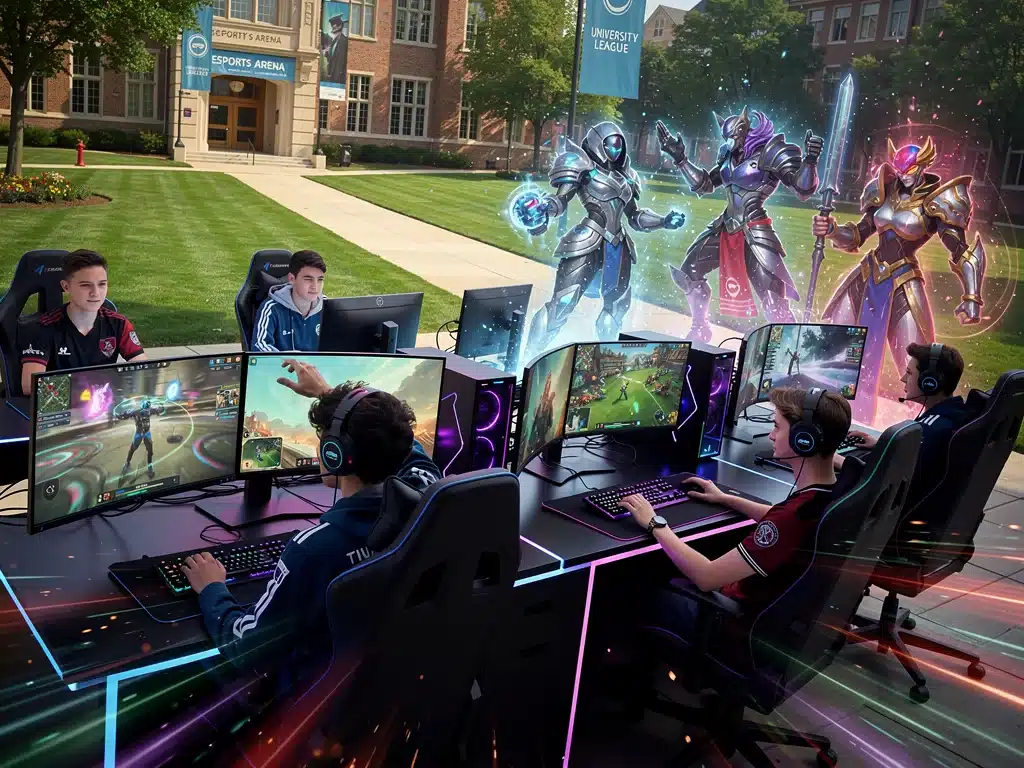
Navigating the explosive growth of college esports across the United States has quickly become the ultimate playbook for prospective students, tech-focused coaches, and campus directors alike.
Universities nationwide are rapidly retiring the “niche hobby” label, backing their commitment with massive financial investments.
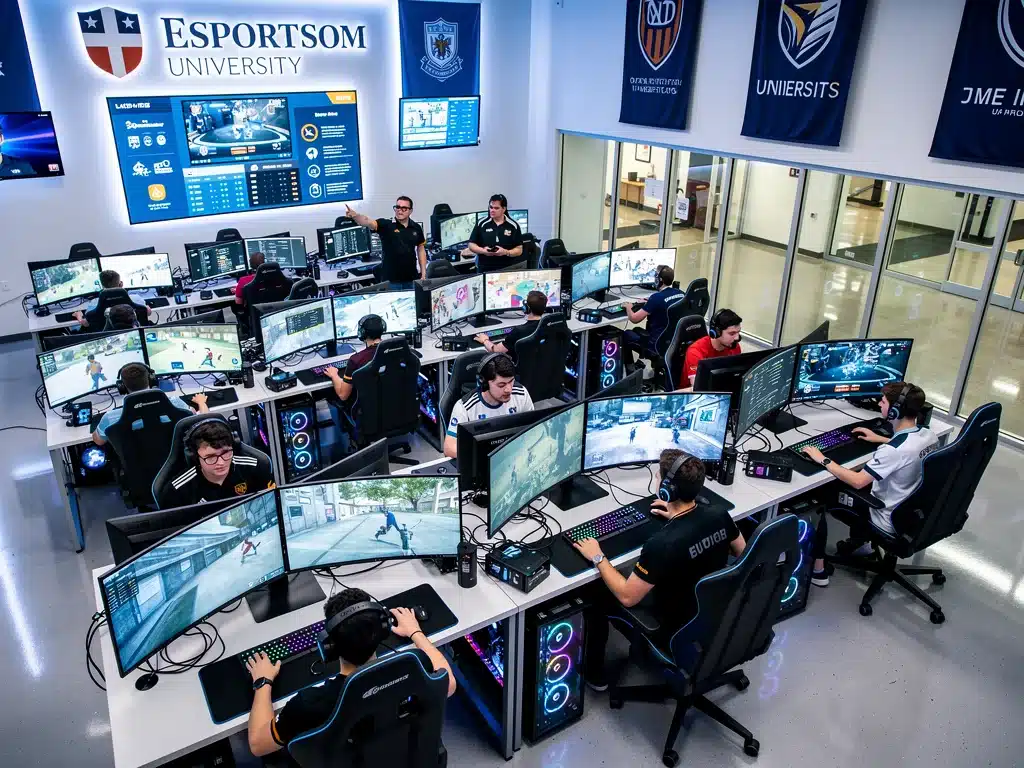
Higher education institutions are pouring funds into state-of-the-art gaming arenas, specialized training facilities, and lucrative athletic scholarship pipelines designed to attract elite digital competitors.
Securing a spot on these elite university rosters requires knowing exactly which multiplayer titles are running the ecosystem.
Let’s dive straight into the five most dominant competitive arenas shaping collegiate schedules this semester, exploring the exact pathways to turning your gaming clips into a funded degree.
The Meteoric Rise of Collegiate Esports Programs
Collegiate esports has evolved dramatically over the past decade, moving from student-run clubs to fully recognized varsity sports with dedicated coaching staff and state-of-the-art facilities.
This institutional embrace underscores a fundamental recognition of esports’ legitimate place within higher education, mirroring traditional athletic programs.
The establishment of national governing bodies like the National Association of Collegiate Esports (NACE) has further legitimized the scene, creating standardized rules, competitive structures, and avenues for intercollegiate play.
This professionalization attracts more universities and, consequently, more talented student-athletes seeking structured environments.
By 2026, this trajectory is expected to accelerate, with an even greater number of institutions offering robust programs, thereby solidifying collegiate esports as a major component of campus life and academic offerings.
The competition for top talent will intensify, driving innovation in program development.
Unpacking Scholarship Opportunities for Gamers
Esports scholarships are no longer a novelty; they are a tangible reality for hundreds of students across the US, and their prevalence is set to increase significantly by 2026.
These scholarships, often covering tuition, housing, and other academic expenses, incentivize top-tier players to pursue higher education while honing their gaming skills.
Universities recognize that investing in esports scholarships not only attracts skilled players but also enhances the institution’s brand and draws a diverse student body.
These financial aid packages are competitive, demanding not just exceptional gaming prowess but also strong academic standing and leadership qualities.
The eligibility criteria for these scholarships vary by institution and game title, often requiring a proven track record in high-level competitive play, such as participation in national tournaments or high ranks on game ladders.
Prospective students are advised to research specific university requirements diligently.
Navigating Scholarship Application Processes
Applying for an esports scholarship typically involves a multi-faceted approach, similar to traditional athletic scholarships. Candidates often submit gaming resumes that highlight their competitive achievements, team experience, and individual statistics.
Beyond gaming credentials, academic performance remains a critical factor. Universities seek well-rounded individuals who can balance rigorous training schedules with academic commitments, demonstrating the discipline required for both pursuits.
Many programs also require tryouts or interviews, allowing coaches to assess not only raw talent but also teamwork, communication skills, and overall fit within the team culture. Understanding these expectations is key for aspiring collegiate esports athletes.
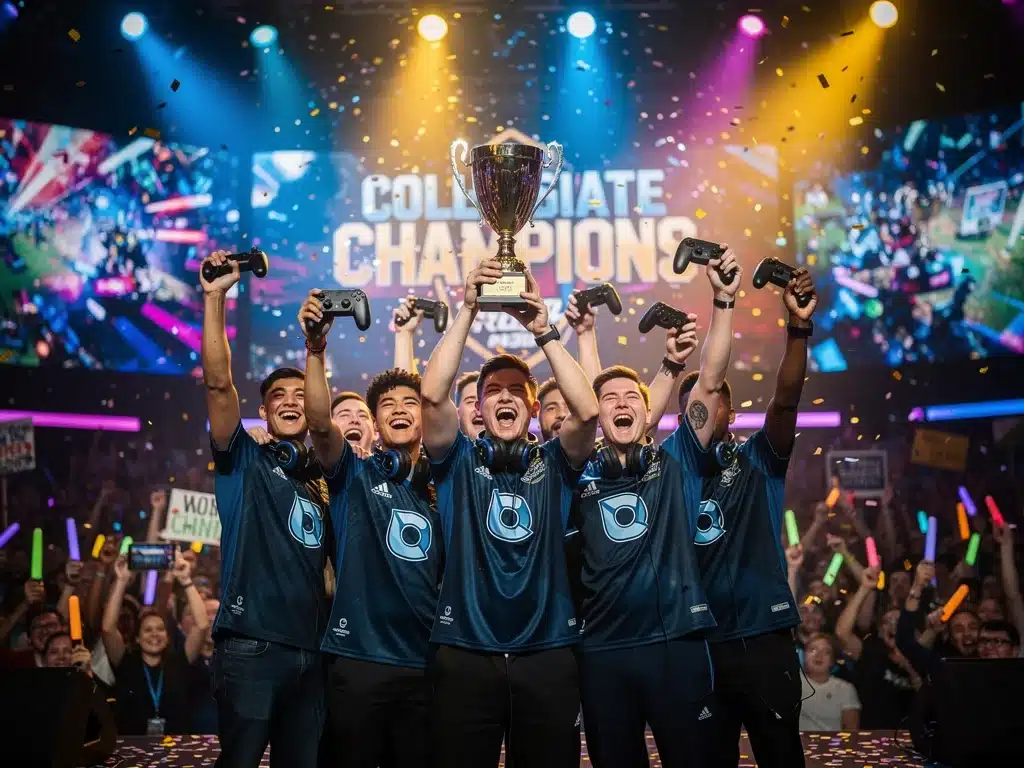
The Top 5 Esports Games Dominating US College Campuses in 2026
Forecasting the dominant titles in collegiate esports for 2026 requires an understanding of current trends, developer support, and player engagement.
While new games constantly emerge, certain genres and established titles possess inherent longevity and competitive depth that appeal to college programs.
These games often have large, active player bases, robust professional scenes that collegiate play can feed into, and consistent updates that keep the gameplay fresh and exciting. The titles that foster strong team dynamics and strategic depth tend to thrive in structured collegiate environments.
Here, we identify the top five games poised to maintain or achieve significant dominance, shaping the future of college esports 2026 and beyond, influencing scholarship allocations and program development across the nation.
League of Legends: A Continual Reign
League of Legends remains an undisputed titan in the esports world, and its presence in collegiate programs is deeply entrenched. Its complex strategy, diverse champion pool, and consistent developer support from Riot Games ensure its continued relevance.
The game’s well-established professional ecosystem provides a clear aspirational path for collegiate players, motivating intense competition and dedicated practice. Many universities have built their entire esports programs around League of Legends, offering substantial scholarships.
Its enduring popularity and global reach make it a cornerstone of college esports 2026, with robust intercollegiate leagues and numerous opportunities for players to shine. The game’s ability to constantly reinvent itself ensures its appeal to new generations of players.
Valorant: Rapid Ascent in Collegiate Play
Riot Games‘ tactical shooter, Valorant, has witnessed a meteoric rise since its release, quickly establishing itself as a premier esports title. Its blend of precise gunplay and unique agent abilities offers a high skill ceiling that resonates strongly with competitive players.
Colleges have rapidly adopted Valorant into their esports curricula, drawn by its growing professional scene and the strategic depth necessary for high-level team play. The game’s dynamic meta and frequent updates keep the competitive environment fresh and engaging.
By 2026, Valorant is expected to be a top-tier collegiate esport, attracting significant investment and scholarship opportunities as universities look to capitalize on its burgeoning popularity and competitive allure. Its accessible yet deep gameplay ensures broad appeal.
Rocket League: Accessible and Competitive
Rocket League’s unique fusion of soccer and vehicular acrobatics provides an exhilarating, easy-to-understand yet difficult-to-master competitive experience. Its broad appeal across different age groups translates effectively into the collegiate scene.
The game’s emphasis on mechanical skill, teamwork, and fluid communication makes it an ideal title for structured collegiate esports programs. Psyonix, the developer, actively supports competitive circuits, including robust collegiate leagues.
Its relatively low barrier to entry for casual players, combined with an incredibly high skill ceiling for professionals, ensures its continued presence among the top titles in college esports 2026, offering diverse scholarship pathways. The game’s spectacle also makes it a fan favorite.
Overwatch 2: Resurgence and Strategic Depth
Overwatch 2, building on the legacy of its predecessor, is experiencing a significant resurgence in competitive play, particularly within collegiate circuits. Its diverse roster of heroes, objective-based gameplay, and constant balancing updates maintain its strategic appeal.
The game demands strong team synergy, intelligent decision-making, and individual mechanical skill, qualities highly valued in collegiate esports programs. Blizzard Entertainment’s ongoing commitment to the game’s competitive integrity is crucial for its sustained growth.
As collegiate programs continue to mature, Overwatch 2 is well-positioned to be a dominant force in college esports 2026, offering students a dynamic and evolving competitive landscape for showcasing their talents and securing scholarship support.
Super Smash Bros. Ultimate: Enduring Fighting Game Appeal
Super Smash Bros. Ultimate, Nintendo’s flagship fighting game, maintains a dedicated and passionate competitive community, making it a perennial favorite in collegiate esports. Its accessibility combined with profound competitive depth attracts a wide array of players.
The game’s one-on-one and team-based formats allow for diverse competitive opportunities within college programs, catering to different playstyles and fostering individual skill development. Its vibrant community and consistent tournament presence solidify its standing.
By 2026, Super Smash Bros. Ultimate will continue to be a staple in collegiate esports, known for its exciting gameplay and the individual skill it highlights, providing unique scholarship opportunities for fighting game enthusiasts. Its iconic characters also draw a broad audience.
Emerging Talent Pools and Scouting Networks
The growth of collegiate esports has naturally led to the development of sophisticated talent identification and scouting networks. Universities are actively recruiting promising high school players, often leveraging online leaderboards, community tournaments, and dedicated scouting platforms.
These networks are crucial for identifying the next generation of esports stars, offering them a clear pathway from amateur play to collegiate competition and potentially even professional careers. Coaches and program directors are constantly evaluating talent to build strong, competitive rosters.
The emphasis on building these talent pipelines ensures the sustained growth and competitiveness of college esports 2026, creating a dynamic ecosystem where skill is recognized and nurtured from an early stage. This proactive approach benefits both players and institutions.
High School to Collegiate Pathways
The transition from high school gaming to collegiate esports is becoming increasingly formalized. Many high schools now have their own esports clubs or teams, providing a foundational experience for students aspiring to play at the college level.
Recruitment efforts often begin during a player’s junior or senior year of high school, with college coaches attending high school tournaments or reviewing online performance data. This structured pathway helps students understand the expectations of collegiate play.
Programs like NACE Starleague offer platforms that connect high school players with collegiate recruiters, streamlining the scouting process and ensuring that top talent is identified and supported in their academic and competitive journeys. This bridge is vital for the future of college esports 2026.
The Impact of Collegiate Esports on Professional Play
Collegiate esports is increasingly serving as a crucial proving ground and developmental league for professional esports. Many professional organizations are now looking to college programs to scout and recruit new talent, recognizing the structured training and competitive experience players gain.
The discipline, teamwork, and strategic thinking fostered in collegiate environments are highly valued by professional teams, making college esports graduates attractive candidates for career opportunities in the industry. This symbiotic relationship strengthens both the collegiate and professional scenes.
As college esports 2026 continues to mature, its role as a feeder system for professional organizations will only expand, creating a robust pipeline of skilled and experienced players ready to enter the highest echelons of competitive gaming. This integration benefits the entire esports ecosystem.
| Key Aspect | Description |
|---|---|
| Game Dominance | League of Legends, Valorant, Rocket League, Overwatch 2, Super Smash Bros. Ultimate leading collegiate scene. |
| Scholarship Growth | Increasing availability and value of esports scholarships for top players. |
| Talent Pipeline | Formalized scouting from high school to collegiate to professional levels. |
| Institutional Support | Universities investing in programs, facilities, and academic integration for esports. |
Frequently Asked Questions About College Esports in 2026
By 2026, League of Legends, Valorant, Rocket League, Overwatch 2, and Super Smash Bros. Ultimate are expected to dominate US college campuses. These games offer deep competitive play, strong community support, and established professional pathways, making them attractive for university programs and student-athletes.
Students can qualify for esports scholarships by demonstrating exceptional gaming skill in a recognized title, maintaining strong academic performance, and often participating in tryouts. Many universities also look for leadership qualities and a history of competitive play in high school or community tournaments.
Collegiate esports programs serve as vital talent incubators for professional play. They provide structured training, coaching, and competitive experience that hones players’ skills, teamwork, and discipline. Many professional organizations scout directly from college teams, creating a clear pathway to higher competitive tiers.
Yes, academic requirements are crucial for esports scholarship recipients. While gaming prowess is essential, universities expect student-athletes to maintain a specific GPA, attend classes, and balance their academic responsibilities with their demanding training schedules, emphasizing the student aspect of being a student-athlete.
University investment in esports has significantly increased, moving beyond student clubs to dedicated varsity programs with substantial funding. This includes state-of-the-art gaming facilities, professional coaching staff, academic support, and comprehensive scholarship packages, reflecting a broader institutional recognition of esports’ value.
Looking Ahead
The landscape of collegiate esports is undeniably dynamic, with significant implications for both academic institutions and the broader gaming industry.
The continued growth of college esports 2026 underscores a pivotal shift in how competitive gaming is perceived and integrated into higher education.
As more universities embrace these programs, the opportunities for student-athletes will only expand, creating a richer, more diverse talent pool.
Monitoring the evolution of game popularity, scholarship models, and recruitment strategies will be key to understanding the next phase of this exciting development.
This trend solidifies esports’ position not just as entertainment, but as a legitimate pathway for academic and professional growth, influencing career trajectories and shaping the future of competitive gaming for years to come. The future of college esports 2026 is bright and full of potential.