Comic Book Adaptations: 4 Key Shifts to Watch in 2024
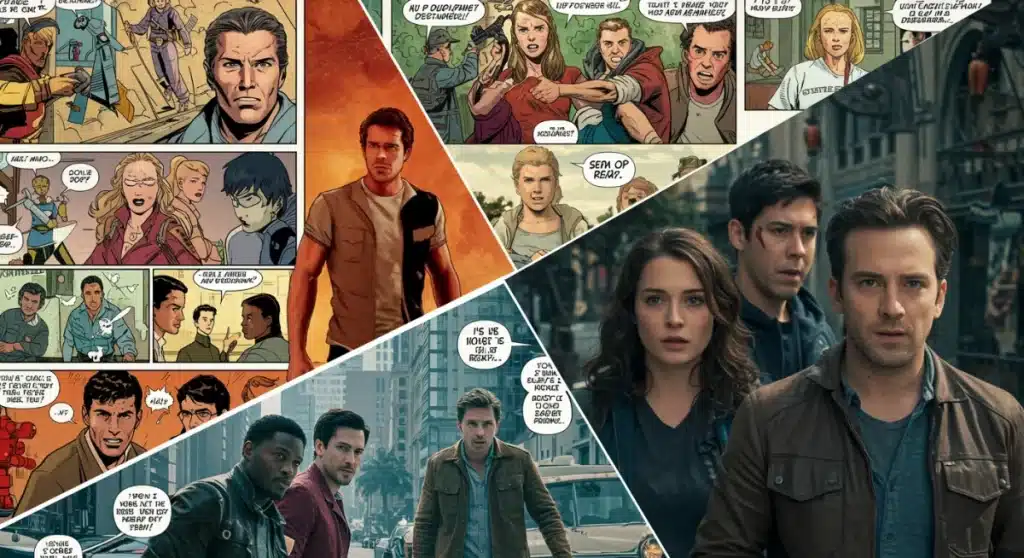
The landscape of comic book adaptations is rapidly evolving, driven by shifts in storytelling, technological advancements, and audience demands, promising a dynamic future for the genre.
The world of superhero sagas and graphic novel narratives has never been more vibrant, yet it’s also undergoing significant transformation. Understanding the evolving landscape of comic book adaptations: 4 key shifts to watch in the next 12 months is crucial for any pop culture enthusiast. From streaming strategies to narrative choices, these shifts will redefine how we experience our favorite stories.
The rise of diverse narratives and creators
The days when comic book adaptations primarily centered on a narrow demographic of characters and creators are steadily receding. We are witnessing a powerful and much-needed shift towards embracing a broader spectrum of voices, stories, and perspectives within the comic book adaptation space. This isn’t merely a fleeting trend but a foundational change reflecting global audiences’ growing demand for representation and authenticity.
This push for diversity extends beyond just on-screen characters. It’s about bringing in new writers, directors, and producers who can infuse these adaptations with genuine experiences and cultural nuances. This enriches the storytelling and opens up new avenues for creative exploration that were previously overlooked.
Spotlighting underrepresented heroes and anti-heroes
Traditionally, many mainstream comic adaptations focused on established, often monochromatic, characters. Now, studios are actively seeking out and developing projects featuring heroes and anti-heroes from varied backgrounds, cultures, and identities. This deliberate expansion introduces audiences to a richer tapestry of heroism and villainy, challenging conventional archetypes and making the narratives more relatable to a global viewership.
- Increased focus on international comics: Beyond the dominant American publishers, adaptations are beginning to draw from a wider pool of international graphic novels, bringing unique cultural perspectives to the screen.
- LGBTQ+ representation: Characters across the gender and sexuality spectrum are gaining more prominent roles, moving beyond tokenism to become central figures in compelling narratives.
- Disability inclusion: Stories featuring characters with disabilities are being developed with greater nuance, exploring their strengths and challenges authentically.
The impact of diverse narratives is profound. It not only broadens the appeal of these stories to a wider audience but also fosters a more inclusive environment within the entertainment industry. This shift is a long-term investment in the future of storytelling, ensuring that adaptations remain relevant and resonant for generations to come.
Streaming services as the new battleground
The streaming wars have profoundly reshaped the distribution and consumption of content, and comic book adaptations are at the forefront of this transformation. Major players like Netflix, Disney+, Max, and Amazon Prime Video are investing heavily in a vast array of comic-inspired projects, turning their platforms into crucial battlegrounds for audience attention and subscriber retention. This intensified competition is driving innovation and risk-taking, leading to a golden age for fans of the genre.
This shift to streaming has allowed for different narrative structures and pacing that traditional cinematic releases often couldn’t accommodate. Series can delve deeper into character development, explore complex sub-plots, and build intricate worlds over multiple seasons, closely mirroring the serialized nature of comic books themselves.
The rise of prestige limited series
While blockbuster films still draw massive attention, the limited series format on streaming platforms has emerged as a powerful vehicle for comic book adaptations. These series offer the perfect middle ground: enough time to develop intricate plots and character arcs without the long-term commitment of an ongoing show. This approach appeals to both creators and audiences, allowing for self-contained, high-quality storytelling.
- Creative freedom: Streamers often provide creators with more creative control and larger budgets, enabling faithful and ambitious adaptations.
- Binge-watching culture: The release model, often dropping entire seasons at once, caters to modern viewing habits and builds immediate buzz.
- Niche audience appeal: Streaming allows for adaptations of lesser-known or more experimental comic titles, reaching dedicated fan bases without the pressure of mass theatrical appeal.
The strategic importance of comic book adaptations for streaming services cannot be overstated. They are powerful subscriber magnets, capable of creating loyal fan communities and providing a steady stream of engaging content. As the competition for eyeballs intensifies, expect to see even more ambitious and diverse comic book projects greenlit for streaming platforms.
The evolution of narrative ambition and complexity
Gone are the days when comic book adaptations were strictly confined to simple hero-versus-villain tropes. The current landscape is defined by an increasing narrative ambition, where creators are exploring more complex themes, morally ambiguous characters, and intricate, multi-layered storylines. This evolution reflects a growing maturity in the genre, acknowledging that audiences crave more than just spectacle; they seek depth, character development, and thought-provoking narratives.
This push for complexity is evident in how adaptations are tackling sensitive social issues, psychological dramas, and philosophical questions that resonate with contemporary audiences. It’s a testament to the power of comic books as a medium capable of addressing profound human experiences.
Exploring darker themes and mature content
A significant shift is the willingness of studios to embrace darker, more mature themes previously deemed too risky for mainstream audiences. This includes R-rated content, psychological thrillers, and stories that delve into existential crises, trauma, and the blurred lines between good and evil. This allows for a more faithful translation of many beloved, darker comic book series.
- Anti-hero protagonists: Adaptations are increasingly centering on characters with questionable morals or troubled pasts, offering nuanced explorations of redemption and self-discovery.
- Genre blending: The lines between superhero, horror, sci-fi, and drama are blurring, resulting in hybrid narratives that defy easy categorization.
- Social commentary: Many adaptations are now explicitly using their platforms to address contemporary social and political issues, sparking broader conversations.
The increasing narrative ambition means that comic book adaptations are no longer just entertainment; they are becoming significant cultural artifacts that reflect and comment on the world around us. This complexity ensures their continued relevance and critical acclaim.
Technological advancements and immersive experiences
Technology has always played a crucial role in bringing the fantastical worlds of comic books to life, but the next 12 months promise even more groundbreaking advancements. From cutting-edge visual effects to the burgeoning potential of virtual and augmented reality, these technological leaps are set to revolutionize how audiences interact with and experience comic book adaptations. This isn’t just about making things look prettier; it’s about creating truly immersive and interactive storytelling experiences.
The integration of advanced CGI, motion capture, and even AI-driven tools is allowing filmmakers to achieve visual feats that were once impossible, pushing the boundaries of what can be portrayed on screen. This opens up new creative possibilities for adapting even the most visually complex comic narratives.
The rise of virtual and augmented reality in storytelling
While still in its nascent stages for mainstream adaptations, the potential for virtual reality (VR) and augmented reality (AR) to create deeply immersive comic book experiences is immense. Imagine stepping directly into a comic panel or interacting with characters in a digitally enhanced environment. These technologies could offer entirely new ways for fans to engage with their favorite stories and heroes.
- Interactive narrative extensions: VR/AR could provide companion experiences, allowing fans to explore the worlds of their favorite adaptations beyond the screen.
- Pre-visualization and production tools: Filmmakers are increasingly using VR and AR during pre-production to plan complex shots and visualize special effects, streamlining the creative process.
- Next-generation gaming: Comic book-inspired video games are already popular, and VR/AR will elevate these experiences, allowing players to embody heroes in unprecedented ways.
The intersection of technology and storytelling is driving an exciting future for comic book adaptations. As these tools become more sophisticated and accessible, expect to see increasingly spectacular and engaging experiences that blur the lines between passive viewing and active participation.
The evolving business models and intellectual property management
Beyond the creative shifts, the business side of comic book adaptations is undergoing a significant transformation, particularly concerning intellectual property (IP) management and strategic franchise building. Studios and media conglomerates are increasingly recognizing the immense value of their comic book IP, leading to more integrated and carefully planned strategies for cross-platform expansion. This means a more interconnected universe of films, series, games, and merchandise, all designed to maximize audience engagement and revenue.
The ownership and control of key comic book properties have become central to the strategies of major entertainment companies. This often involves intricate legal battles, strategic acquisitions, and careful long-term planning to ensure a cohesive and profitable future for these valuable assets.
Franchise interconnectedness and shared universes
The success of interconnected cinematic universes has set a new standard for comic book adaptations. Studios are now meticulously planning multi-year, multi-platform strategies to build sprawling shared universes that span films, television series, and even video games. This intricate web of storytelling aims to keep audiences invested across various media, fostering a sense of continuous narrative and anticipation.
- Expanded storytelling opportunities: Shared universes allow for deeper exploration of characters and storylines, with events in one medium impacting others.
- Fan engagement: The interconnectedness encourages fans to consume all related content, creating a more dedicated and active community.
- Merchandising potential: A robust shared universe offers extensive opportunities for merchandising, from toys and apparel to collectibles and themed experiences.
The strategic management of comic book IP is a complex but crucial aspect of the evolving landscape. As companies vie for dominance in the entertainment industry, expect to see even more sophisticated and ambitious plans for building and maintaining interconnected comic book franchises.
Audience engagement and community building
In the digital age, the relationship between creators, studios, and audiences is more interactive than ever. Comic book adaptations thrive on passionate fan communities, and understanding how to effectively engage and build these communities is paramount for success. Social media, fan conventions, and online forums have become vital spaces for discussion, speculation, and direct interaction, shaping the trajectory of many adaptations.
The power of a dedicated fan base cannot be underestimated. Enthusiastic communities generate organic buzz, provide valuable feedback, and contribute significantly to the cultural impact and longevity of comic book properties. Studios are increasingly leveraging these communities as a vital part of their marketing and development strategies.
The influence of fan feedback and social media
Social media platforms have transformed into real-time focus groups, where fan reactions, theories, and criticisms can directly influence creative decisions. From casting choices to plot developments, the collective voice of the audience has an unprecedented level of impact, making proactive engagement with these communities essential for studios.
- Direct communication channels: Creators and actors often engage directly with fans on social media, fostering a sense of connection and transparency.
- Fan theories and speculation: Online communities thrive on dissecting trailers and episodes, generating excitement and keeping the conversation alive between releases.
- Grassroots marketing: Passionate fans become powerful advocates, sharing content and spreading enthusiasm more effectively than traditional advertising.
Building strong, engaged communities is no longer an optional extra but a core component of a successful comic book adaptation strategy. As the landscape continues to evolve, the interplay between creators and their audience will only grow in importance, shaping the future of these beloved stories.
| Key Shift | Brief Description |
|---|---|
| Diverse Narratives | Increased representation of varied characters and creators, broadening storytelling perspectives. |
| Streaming Dominance | Streaming services are primary platforms, driving innovation and diverse content formats. |
| Narrative Complexity | Focus on intricate plots, morally ambiguous characters, and mature themes. |
| Technological Advancements | New VFX, VR, and AR are creating more immersive and visually stunning experiences. |
Frequently asked questions about comic book adaptations
The increasing demand from global audiences for authentic representation and a broader range of stories is driving the shift towards more diverse narratives and creators in comic book adaptations. This reflects a more inclusive industry and richer storytelling.
Streaming services often provide greater creative freedom and budgets for comic adaptations, leading to more ambitious and high-quality limited series or ongoing shows that can delve deeper into complex narratives than traditional films.
Narrative ambition signifies a move towards more complex plots, morally ambiguous characters, and the exploration of mature, thought-provoking themes. This pushes adaptations beyond simple hero-villain dynamics, offering deeper storytelling.
Technological advancements like enhanced visual effects, virtual reality (VR), and augmented reality (AR) are poised to create more immersive and interactive experiences, potentially allowing audiences to step into comic book worlds or interact with characters.
Effective intellectual property (IP) management is vital for studios to build cohesive, interconnected franchises across various media (films, series, games). This strategy maximizes audience engagement, revenue, and ensures long-term profitability for valuable comic book assets.
Conclusion
The landscape of comic book adaptations is undergoing a profound and exciting transformation. The shifts towards diverse narratives, the dominance of streaming platforms, increased narrative ambition, and groundbreaking technological advancements are collectively reshaping how these beloved stories are brought to life. These changes promise a richer, more complex, and ultimately more engaging future for fans worldwide. As we look ahead to the next 12 months, it’s clear that the world of comic book adaptations will continue to evolve, offering compelling new experiences and pushing the boundaries of storytelling in pop culture.