Hollywood’s New Power Players: 3 Emerging Directors Shaping Blockbuster Trends for 2026 and Beyond
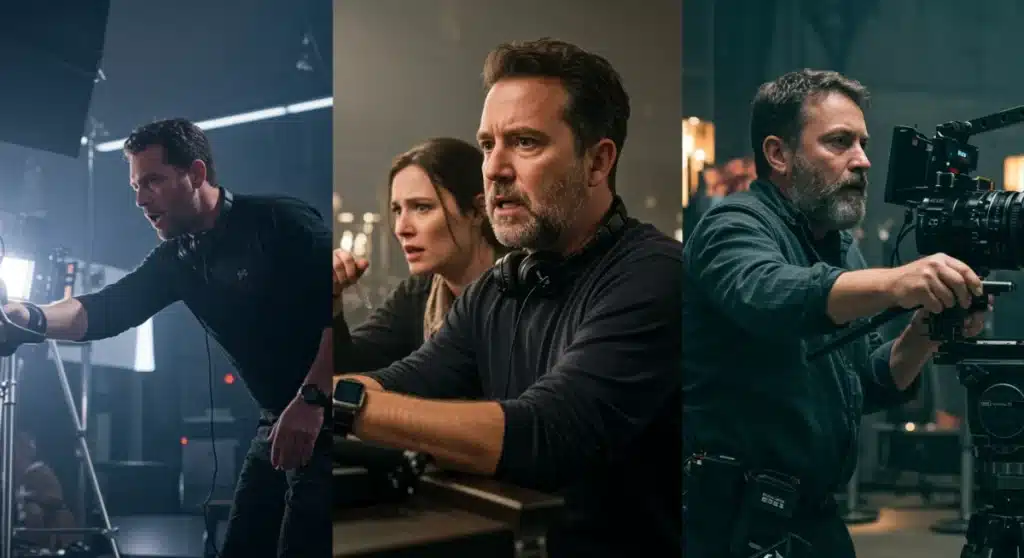
Three emerging Hollywood directors are poised to reshape blockbuster trends for 2026 and beyond, introducing innovative storytelling and unique stylistic visions that promise to captivate global audiences and redefine cinematic experiences.
The landscape of cinema is constantly evolving, with new voices emerging to challenge conventions and redefine what a blockbuster can be. In this dynamic environment, emerging Hollywood directors are not just making films; they are crafting the future of entertainment, pushing boundaries, and setting new trends for 2026 and beyond. Get ready to meet the visionary talents who are about to leave an indelible mark on the silver screen.
The rise of visionary storytellers in Hollywood
Hollywood has always been a crucible for talent, a place where new voices can rise and redefine the cinematic experience. As we look towards 2026 and beyond, a new generation of filmmakers is stepping into the spotlight, bringing fresh perspectives and innovative approaches to storytelling. These directors are not merely adapting existing formulas; they are actively forging new paths, blending genres, and tackling complex themes with a unique artistic vision.
The industry is hungry for originality, and these emerging talents are delivering narratives that resonate deeply with modern audiences. They understand the nuances of contemporary culture, utilizing their platforms to explore diverse stories and present them in visually stunning ways. Their work often reflects a keen awareness of global narratives, moving beyond traditional Hollywood confines to embrace a broader, more inclusive cinematic language.
Defining characteristics of new wave directors
- Genre blending: Seamlessly combining elements from different genres to create fresh and unpredictable cinematic experiences.
- Visual innovation: Employing cutting-edge technology and unique aesthetic choices to craft distinctive visual styles.
- Character-driven narratives: Prioritizing deep character development and emotional resonance over mere spectacle.
- Global appeal: Crafting stories with universal themes that transcend cultural boundaries and appeal to international audiences.
These characteristics are not just stylistic choices; they are foundational elements that allow these directors to stand out in a crowded market. They are building legacies on the strength of their unique voices, proving that compelling storytelling, when coupled with innovative direction, can truly captivate and inspire.
In essence, the rise of these visionary storytellers signals a shift in Hollywood’s focus, emphasizing artistic integrity and narrative depth as crucial components of blockbuster success. They are not just making movies; they are crafting cultural touchstones that will be remembered for years to come.
Director 1: Anya Sharma and the future of sci-fi epics
Anya Sharma is quickly becoming a name synonymous with groundbreaking science fiction. Her ability to weave intricate narratives with breathtaking visual effects has positioned her as a frontrunner in shaping the next generation of sci-fi epics. Sharma’s films delve deep into philosophical questions, often exploring themes of artificial intelligence, human consciousness, and the ethical implications of technological advancement, all while maintaining a strong sense of spectacle.
Her previous independent features, while smaller in scale, garnered critical acclaim for their intelligent scripts and innovative direction. Now, with larger budgets and studio backing, Sharma is set to unleash her full potential, promising blockbusters that are as thought-provoking as they are visually stunning. Her unique approach to world-building ensures that each film feels expansive and lived-in, drawing audiences into fully realized futuristic societies.
Sharma’s distinctive directorial style
- Philosophical depth: Infusing complex ideas and moral dilemmas into action-packed narratives, encouraging audience reflection.
- Immersive world-building: Creating highly detailed and believable futuristic environments that enhance the storytelling.
- Character authenticity: Developing protagonists and antagonists with relatable struggles and motivations, even within fantastical settings.
- Visual poetry: Utilizing cinematography and special effects to evoke strong emotions and convey abstract concepts beautifully.
Sharma’s films are not just about aliens or spaceships; they are about the human condition within extraordinary circumstances. She challenges audiences to think, to question, and to feel, all while delivering the thrills and excitement expected from a major sci-fi production. Her vision for the genre is one that marries intellectual rigor with cinematic grandeur, a combination that has been eagerly anticipated by critics and audiences alike.
With her upcoming projects, Anya Sharma is poised to redefine the scope and ambition of science fiction, proving that blockbusters can be both entertaining and intellectually stimulating. Her work promises to elevate the genre, pushing it into new, exciting territories for years to come.
Director 2: Mateo Vargas and the resurgence of character-driven thrillers
Mateo Vargas represents a refreshing return to character-driven storytelling within the thriller genre. In an era often dominated by spectacle, Vargas prioritizes psychological depth and intricate plotting, crafting narratives that keep audiences on the edge of their seats through suspense built on human drama rather than explosions. His films explore the darker facets of human nature, often focusing on moral ambiguities and the consequences of personal choices.
Vargas’s early work in independent cinema showcased his masterful ability to build tension through subtle cues and powerful performances. He has a knack for drawing out complex emotions from his actors, resulting in performances that feel raw and authentic. This focus on internal struggles rather than external threats is what sets his thrillers apart, making them resonate long after the credits roll.
Vargas’s narrative craftsmanship
Vargas is celebrated for his meticulous approach to screenwriting and direction. He often collaborates closely with his writers to ensure every dialogue exchange and plot twist serves to deepen the characters and escalate the emotional stakes. His films are often described as slow-burners, carefully building atmosphere and suspense before delivering impactful climaxes.
- Psychological realism: Portraying characters with genuine flaws and motivations, making their internal conflicts compelling.
- Atmospheric tension: Crafting environments and soundscapes that contribute significantly to the film’s mood and suspense.
- Unpredictable plotting: Designing narratives with unexpected turns that challenge audience expectations and keep them guessing.
- Strong ensemble casts: Excelling at directing actors to deliver nuanced and powerful performances across the board.
The resurgence of character-driven thrillers under Vargas’s guidance signifies a demand for more sophisticated narratives in mainstream cinema. He proves that audiences are eager for stories that challenge their perceptions and explore the complexities of the human psyche. His upcoming blockbusters are expected to blend the intensity of a major studio production with the intricate storytelling of independent film, creating a powerful and captivating cinematic experience.
Mateo Vargas is not just making thrillers; he is crafting psychological puzzles that invite viewers to engage on a deeper level, solidifying his position as a key figure in shaping future cinematic trends.
Director 3: Lena Khan and the evolution of cinematic comedy
Lena Khan is single-handedly redefining what modern cinematic comedy can be, moving beyond slapstick and predictable formulas to deliver humor that is intelligent, culturally relevant, and deeply empathetic. Her films often blend sharp wit with poignant social commentary, tackling contemporary issues through a comedic lens without sacrificing genuine laughter. Khan’s unique voice offers a fresh perspective, making her a vital force in the evolving landscape of Hollywood blockbusters.
Her independent films have already demonstrated her ability to connect with diverse audiences, earning praise for their smart writing and authentic character portrayals. With increased resources, Khan is set to elevate mainstream comedy, proving that humor can be both universally appealing and thought-provokingly insightful. She understands that true comedy often stems from real-world observations and human quirks, making her films relatable and memorable.
Khan’s approach to comedic storytelling
Lena Khan’s directorial signature is characterized by her nuanced understanding of comedic timing and character development. She avoids one-dimensional caricatures, instead building characters that feel real, even in the most absurd situations. This authenticity allows her humor to land with greater impact, fostering both laughter and reflection among viewers.
- Sharp social commentary: Addressing relevant societal issues with wit and insight, sparking conversation through humor.
- Authentic character portrayal: Creating relatable characters whose struggles and triumphs resonate deeply with audiences.
- Subtle comedic timing: Employing nuanced humor that relies on intelligent dialogue and situational irony rather than overt gags.
- Heartfelt narratives: Weaving emotional depth into comedic plots, ensuring films are both funny and genuinely moving.
Khan’s vision for cinematic comedy suggests a shift towards more sophisticated and meaningful humor in blockbusters. She proves that audiences are ready for films that make them laugh while also offering something substantial to consider. Her upcoming projects are anticipated to be a delightful blend of humor and heart, cementing her status as an innovator in the genre.
Lena Khan is not just making comedies; she is crafting cultural conversations wrapped in laughter, solidifying her role as one of the most exciting emerging directors in Hollywood.
The impact of emerging directors on industry trends
The influence of these emerging directors extends far beyond their individual films; they are collectively shaping the broader trends of the Hollywood industry. Their innovative approaches to storytelling, genre blending, and visual aesthetics are setting new standards for what audiences expect from blockbusters. Studios are increasingly recognizing the value of fresh perspectives, moving away from purely formulaic productions to embrace more artistically driven projects that still hold mass appeal.
This shift is evident in the types of projects being greenlit and the increasing diversity in narrative themes and directorial voices. The success of Anya Sharma, Mateo Vargas, and Lena Khan underscores a growing appetite for originality and authenticity in mainstream cinema. Their work encourages other aspiring filmmakers to pursue unique visions, fostering a more dynamic and creative industry landscape.
Key shifts driven by new talent
The impact can be seen in several areas, indicating a significant transformation within Hollywood’s production and distribution models. These directors are not just making movies; they are influencing how movies are made and perceived.
- Increased creative freedom: Studios are granting more artistic control to directors who demonstrate a clear and unique vision, moving away from strict corporate oversight.
- Diversification of narratives: A broader range of stories, cultures, and perspectives are being brought to the screen, reflecting a more globalized audience.
- Technological integration: Innovative uses of CGI, virtual production, and sound design are becoming integral to storytelling, not just spectacle.
- Audience engagement: Films are designed to provoke thought and discussion, fostering a deeper connection with viewers beyond passive entertainment.
These shifts suggest a vibrant future for Hollywood, where creativity and innovation are prioritized alongside commercial success. The emergence of these directors signifies a new era where quality storytelling and unique artistic voices are at the forefront of blockbuster production, promising exciting developments for cinema in the coming years.
Ultimately, these emerging talents are not just making movies; they are redefining the very essence of what a blockbuster can be, ensuring that Hollywood remains a dynamic and relevant force in global entertainment.
Anticipating future blockbuster landscapes post-2026
Looking beyond 2026, the influence of these emerging directors will undoubtedly contribute to a blockbuster landscape that is more diverse, innovative, and deeply engaging. We can expect to see a continued push towards stories that challenge conventional narratives, experiment with genre, and resonate on a profound emotional level. The emphasis will likely shift from purely spectacle-driven films to those that combine grand visuals with compelling character arcs and thought-provoking themes.
The integration of advanced technologies, such as AI-driven visual effects and immersive sound design, will become even more seamless, allowing filmmakers to realize their most ambitious visions. However, these technological advancements will be in service of the story, not as a replacement for it. The human element, the core of what makes a film connect with an audience, will remain paramount.
What to expect from future blockbusters
The landscape will likely feature a blend of familiar elements and daring new concepts, ensuring that there is something for every type of filmgoer. The creative risks being taken by today’s emerging directors will become the norms of tomorrow.
- Hybrid genres: Expect to see more films that fluidly cross between sci-fi, thriller, comedy, and drama, creating unique cinematic experiences.
- Global narratives: Stories with international settings, diverse casts, and universal themes will gain even more prominence, reflecting a global audience.
- Interactive elements: While not fully mainstream, some blockbusters might begin to explore interactive storytelling or augmented reality components, blurring the lines between film and experience.
- Emphasis on originality: A renewed focus on original screenplays and adaptations that bring fresh perspectives, moving away from endless reboots and sequels without substance.
The future of blockbusters, shaped by talents like Anya Sharma, Mateo Vargas, and Lena Khan, promises a rich tapestry of cinematic experiences. These directors are laying the groundwork for a new golden age of filmmaking, one where creativity, diversity, and audience engagement are at the forefront. The films of tomorrow will not just entertain; they will inspire, challenge, and connect us in unprecedented ways.
In conclusion, the future blockbuster landscape post-2026 is poised for an exciting transformation, spearheaded by visionary directors who are committed to pushing the boundaries of cinematic art and storytelling.
| Key Director | Defining Style and Impact |
|---|---|
| Anya Sharma | Redefining sci-fi epics with philosophical depth and immersive world-building. |
| Mateo Vargas | Leading the resurgence of character-driven psychological thrillers. |
| Lena Khan | Evolving cinematic comedy with intelligent humor and social commentary. |
| Industry Trends | Shifting towards diverse narratives, creative freedom, and global appeal. |
Frequently asked questions about emerging Hollywood directors
Anya Sharma (sci-fi), Mateo Vargas (thrillers), and Lena Khan (comedy) are three prominent emerging directors. They are recognized for their innovative storytelling, unique visual styles, and ability to push genre boundaries, promising exciting new blockbusters in the coming years.
These directors are influencing trends by prioritizing character-driven narratives, blending genres, integrating philosophical depth into action, and introducing fresh, diverse perspectives. Their work encourages a shift towards originality and artistic integrity within mainstream cinema, moving beyond formulaic approaches.
Anya Sharma distinguishes herself by infusing complex philosophical questions and ethical dilemmas into grand sci-fi epics. She focuses on immersive world-building and authentic character development, ensuring her films are both visually spectacular and intellectually stimulating, challenging audiences to think deeply.
Mateo Vargas specializes in character-driven psychological thrillers. His films are known for their meticulous plotting, atmospheric tension, and exploration of moral ambiguities. He excels at eliciting powerful performances, creating suspense through human drama rather than relying solely on external action or special effects.
Lena Khan is evolving cinematic comedy by blending sharp wit with poignant social commentary. Her films feature intelligent humor, authentic characters, and heartfelt narratives that tackle contemporary issues. She moves beyond traditional comedic tropes to deliver humor that is both relatable and thought-provoking, offering a fresh perspective.
Conclusion
The cinematic landscape is on the cusp of a thrilling transformation, largely driven by the visionary talents of emerging directors like Anya Sharma, Mateo Vargas, and Lena Khan. These filmmakers are not simply creating movies; they are crafting the future of storytelling, pushing the boundaries of genre, and infusing blockbusters with depth, originality, and cultural relevance. Their collective impact signals a renewed commitment within Hollywood to artistic integrity and diverse narratives, promising a richer, more engaging experience for audiences worldwide. As we look towards 2026 and beyond, these new power players are poised to redefine what a blockbuster can achieve, ensuring that the magic of cinema continues to evolve and captivate for generations to come.