Beyond the Screen: The Rise of Gaming Tourism in the US, Projecting a 25% Growth by End of 2026
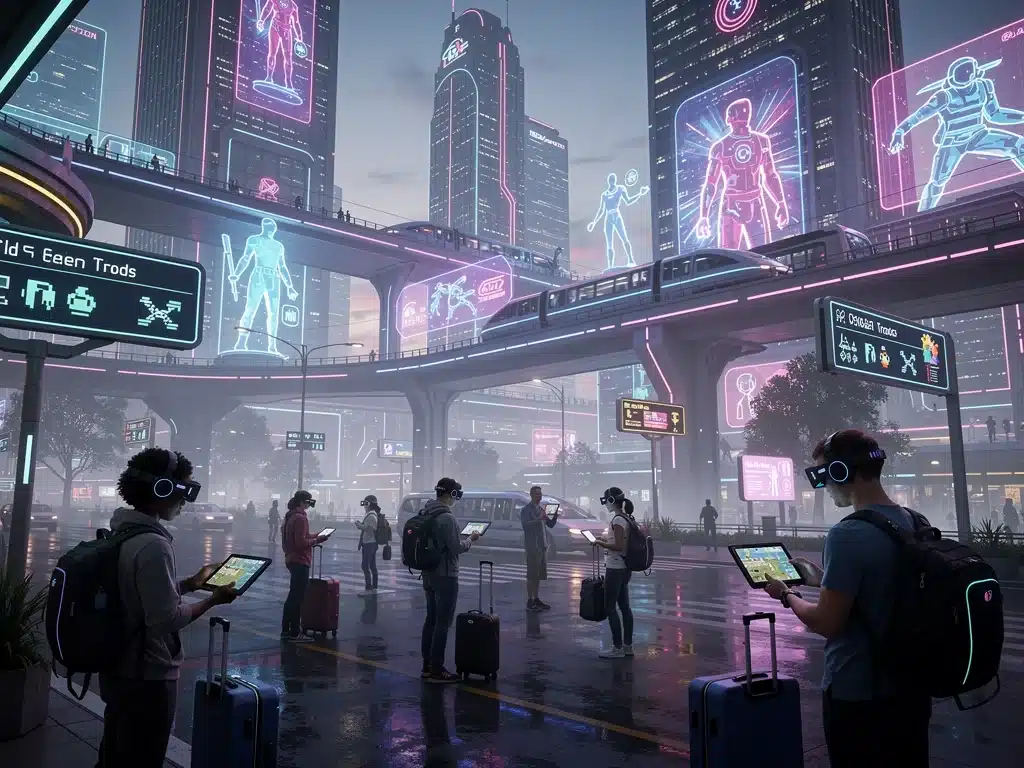
Vacation planning is undergoing a massive cultural shift as interactive entertainment takes center stage over traditional sightseeing. Fueled by massive experiential conventions, esports arenas, and integrated casino resorts, Gaming Tourism in US markets is hitting unprecedented milestones.
This massive convergence of travel and interactive entertainment is no longer just a niche subculture for casual players.
Analysts point to a powerful wave of consumer demand, as millions of travelers now actively plan dedicated domestic itineraries around major competitive events, pop-culture festivals, and high-tech arcade destinations.
Spurred by multi-billion-dollar infrastructure upgrades across key hospitality hubs, the sector’s rapid expansion shows no signs of slowing down.
This comprehensive breakdown explores the underlying economic drivers, regional hot spots, and evolving traveler behaviors that are fundamentally redefining leisure travel across the nation.
The Unfolding Landscape of Gaming Tourism in the US
The United States is witnessing an undeniable surge in gaming tourism, transforming how enthusiasts engage with their favorite pastime.
This growth is fueled by a combination of major esports events, dedicated gaming venues, and themed attractions that appeal to a broad demographic.
This trend extends far beyond traditional conventions, encompassing everything from competitive tournaments to immersive virtual reality experiences. The economic implications are significant, generating revenue for local businesses and creating new job opportunities.
Understanding this evolving landscape is crucial for both the tourism industry and local governments seeking to capitalize on this dynamic sector. The strategic development of gaming-centric infrastructure is becoming a priority in many regions.
Esports Events as Major Drawing Cards
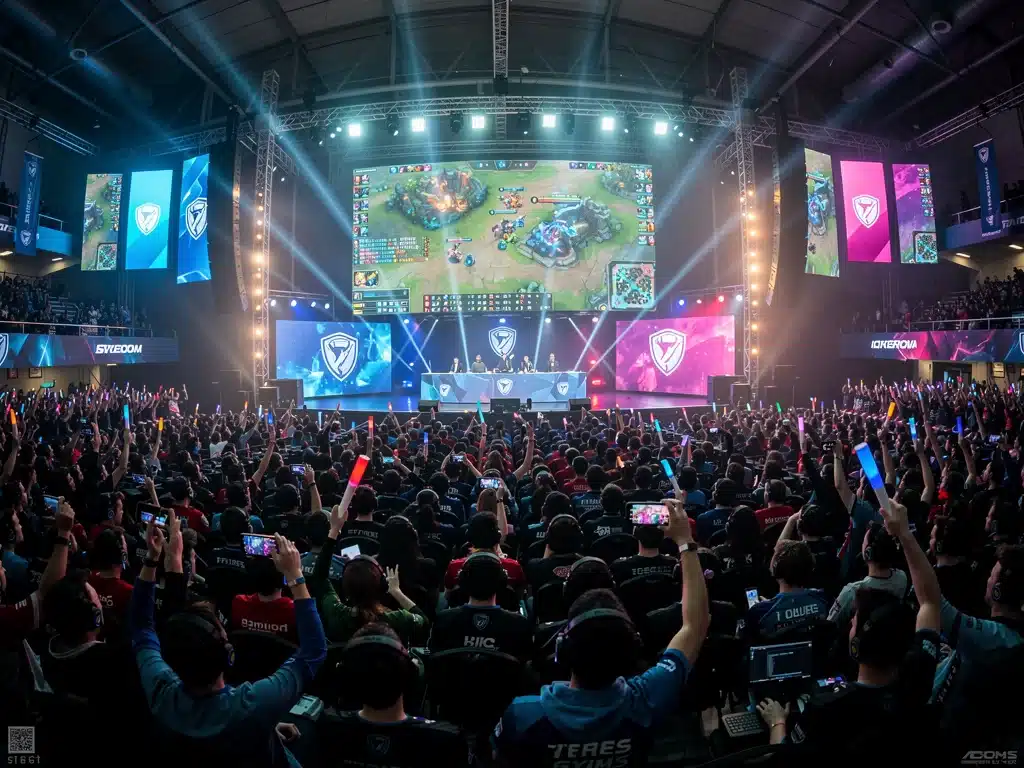
Esports tournaments have emerged as cornerstone attractions for gaming tourism, drawing thousands of spectators and participants annually. These events often fill large arenas and convention centers, creating a festival-like atmosphere.
Cities hosting these high-profile competitions benefit from increased hotel occupancy, restaurant patronage, and local spending. The global reach of esports also brings international visitors, further diversifying the tourism base.
The sheer scale and production value of these events rival traditional sporting spectacles, cementing their place in the entertainment and tourism calendars. Their growing popularity is a key indicator of the strength of gaming tourism in the US.
- Major esports tournaments attract global audiences and significant media attention.
- Host cities experience substantial economic boosts from visitor spending.
- The professionalization of esports contributes to its appeal as a tourist destination.
The Rise of Gaming-Themed Destinations
Beyond competitive events, the US is seeing a proliferation of gaming-themed destinations designed for immersive experiences. These range from high-tech arcades and VR centers to hotels with dedicated gaming suites.
Such venues offer a different facet of gaming tourism, focusing on interactive entertainment and social engagement. They cater to families, casual gamers, and those looking for unique recreational activities.
These establishments are strategically located in urban centers and popular tourist spots, providing accessible entertainment options. Their innovative offerings are crucial in attracting a wider audience to the gaming tourism sector.
Economic Impact and Regional Development
The economic footprint of gaming tourism in the US is expanding rapidly, creating tangible benefits for various regions. This growth extends beyond direct spending on tickets and merchandise, permeating local economies through diverse channels.
From hospitality to transportation and retail, numerous sectors experience positive ripple effects. This economic injection contributes to job creation and strengthens local business ecosystems, making gaming tourism a valuable component of regional development strategies.
Cities and states are increasingly recognizing this potential, leading to investments in infrastructure and marketing campaigns tailored to attract gaming enthusiasts. The strategic cultivation of gaming tourism is becoming a significant factor in economic planning.
Job Creation and Local Business Boost
The influx of gaming tourists directly translates into demand for services, leading to job creation in hospitality, event management, and entertainment. Local businesses, from restaurants to souvenir shops, also see increased patronage.
This economic activity supports small and medium-sized enterprises, fostering a vibrant local economy. The sustained growth of gaming tourism provides a stable and expanding source of revenue for these communities.
The development of specialized gaming venues and services further stimulates the local job market, requiring skilled professionals in technology, event planning, and customer service. These are critical components of the overall economic uplift.
Infrastructure Investment and Innovation
To accommodate the growing number of gaming tourists, significant investments are being made in infrastructure. This includes upgrading convention centers, improving public transportation, and developing high-speed internet access.
Innovation in venue design and technological integration is also paramount, ensuring state-of-the-art experiences for gamers and spectators. These advancements not only serve gaming tourism but also benefit the broader community.
The commitment to modern infrastructure positions host cities as attractive destinations for future gaming events and tech-related industries. This forward-thinking approach is essential for sustaining the growth of gaming tourism in the US.
- Cities are investing in modern convention centers and entertainment complexes.
- Enhanced public transport and technological infrastructure support large-scale events.
- Innovation in venue design creates unique and memorable visitor experiences.
Target Audience and Marketing Strategies
Understanding the diverse demographics of gaming tourists is key to developing effective marketing strategies. The audience includes competitive gamers, casual enthusiasts, families, and even non-gamers accompanying their loved ones.
Tailored marketing campaigns are essential to reach these varied segments, highlighting different aspects of gaming tourism. From adrenaline-pumping tournaments to family-friendly interactive exhibits, the messaging must resonate with specific interests.
Leveraging digital platforms, social media, and partnerships with gaming influencers are crucial components of modern marketing efforts. These channels allow for direct engagement with the target audience and effective promotion of events and destinations.
Reaching Diverse Gaming Communities
Gaming communities are incredibly diverse, spanning various genres, platforms, and age groups. Marketing efforts must acknowledge and cater to these distinct preferences to maximize reach and engagement.
Targeting specific game fandoms or competitive circuits can yield significant returns, as these groups often travel together for events. Collaborating with popular streamers and content creators also provides authentic connections with potential tourists.
Creating inclusive experiences that appeal to both hardcore gamers and those new to the scene is vital for sustained growth. This broad appeal ensures that gaming tourism continues to expand its audience base.
Digital Engagement and Social Media Influence
The digital realm is paramount for promoting gaming tourism, given the online nature of the gaming community. Social media platforms, streaming services, and gaming news sites are primary channels for information dissemination.
Engaging content, such as live streams of past events, behind-the-scenes glimpses, and interactive polls, can generate excitement and drive attendance. Influencer marketing, where popular gamers endorse destinations or events, is particularly effective.
These digital strategies not only inform but also build a sense of community and anticipation among potential attendees. The power of online word-of-mouth is a significant factor in the success of gaming tourism initiatives.
Future Projections and Challenges
The projection of a 25% growth for gaming tourism in the US by the end of 2026 underscores its robust potential. However, this expansion also comes with its own set of challenges that require careful navigation and strategic planning.
Sustainability, infrastructure demands, and evolving consumer preferences are critical factors that will shape the future trajectory of this sector. Addressing these challenges proactively will be essential for sustained success and continued growth.
The industry must remain agile and innovative, adapting to new technologies and trends to maintain its appeal and competitive edge. Long-term planning is crucial to ensure that gaming tourism continues to thrive.

Sustaining Growth Amidst Competition
As gaming tourism gains traction, competition among destinations to host major events and attract visitors will intensify. Cities must differentiate themselves through unique offerings, superior facilities, and strong community support.
Investing in local talent and fostering a vibrant gaming culture within host cities can create a distinct identity. Strategic partnerships between tourism boards, game developers, and event organizers will also be crucial.
Maintaining high-quality experiences and continuously innovating will be vital for sustaining the projected growth. The ability to adapt to market demands will define success in this competitive landscape of gaming tourism in the US.
- Differentiation through unique attractions and community engagement is key.
- Strong partnerships between industry stakeholders are essential for success.
- Continuous innovation and adaptation are necessary to stay competitive.
Embracing Technological Advancements
The rapid pace of technological advancement in gaming presents both opportunities and challenges for gaming tourism. Integrating cutting-edge virtual reality, augmented reality, and interactive technologies can enhance visitor experiences.
However, keeping up with these innovations requires continuous investment and expertise. Destinations must ensure their infrastructure can support the latest gaming technologies to remain relevant and attractive.
Leveraging data analytics to understand visitor behavior and preferences can also inform future developments and personalized experiences. Embracing these technological shifts is fundamental for the future of gaming tourism.
The Role of Government and Industry Collaboration
The continued success and projected growth of gaming tourism in the US heavily rely on effective collaboration between government entities and industry players. This synergy is crucial for creating supportive policies, securing funding, and promoting destinations.
Government bodies can provide regulatory frameworks, infrastructure development, and marketing support, while the industry brings expertise in event organization and content creation. This partnership ensures a holistic approach to fostering the sector.
Establishing clear communication channels and shared goals will be paramount for maximizing the potential of gaming tourism. Such collaborations can unlock new opportunities and mitigate potential obstacles.
Policy Support and Funding Initiatives
Government support, through favorable policies and funding initiatives, can significantly accelerate the growth of gaming tourism. This includes tax incentives for event organizers, grants for infrastructure projects, and streamlined permitting processes.
Public-private partnerships can also pool resources and expertise, enabling larger-scale developments and events. These financial and policy mechanisms are vital for attracting and retaining major gaming attractions.
Advocacy for the economic benefits of gaming tourism at local, state, and federal levels can further solidify this support. Demonstrating tangible returns on investment will encourage continued governmental backing for gaming tourism initiatives.
Building Stronger Industry Partnerships
Collaboration within the gaming industry itself, encompassing developers, publishers, esports organizations, and event planners, is equally important. These partnerships can lead to more innovative and appealing tourism products.
Cross-promotional activities and shared marketing efforts can expand reach and attract a broader audience. Joint ventures can also lead to the creation of unique, integrated gaming experiences that stand out in the market.
Fostering a collaborative ecosystem ensures that the entire sector benefits from shared knowledge and resources, driving collective growth. Strong industry partnerships are a cornerstone of a thriving gaming tourism landscape.
Impact on Local Communities and Cultural Integration
The rise of gaming tourism has a profound impact on local communities, extending beyond economic benefits to cultural integration. This influx of visitors and events can enrich local culture, create new community spaces, and foster a sense of shared enthusiasm.
However, it also presents challenges related to managing crowd density, ensuring local residents feel included, and preserving the unique character of host areas. Balancing these aspects is crucial for sustainable development and positive community relations.
Engaging local residents in the planning and execution of gaming tourism initiatives can help foster a sense of ownership and pride. This integration ensures that the benefits are widely distributed and that the cultural impact is positive and lasting.
Fostering Community Engagement
Successful gaming tourism initiatives often involve significant community engagement, ensuring that local residents are not just observers but active participants. This can include volunteer opportunities, local vendor participation, and community-focused events.
Creating accessible viewing parties or local gaming festivals alongside major events can extend the reach of gaming tourism benefits. These activities build bridges between visitors and locals, enhancing the overall experience.
Addressing potential concerns from residents, such as noise or traffic, through transparent communication and mitigation strategies is also vital. A positive relationship with the local community is fundamental for the long-term viability of gaming tourism.
Cultural Exchange and Soft Power
Gaming tourism facilitates a unique form of cultural exchange, bringing together people from diverse backgrounds through a shared passion. This interaction can promote understanding and appreciation of different cultures.
Hosting international esports events, for instance, showcases American hospitality and cultural vibrancy to a global audience. This contributes to the nation’s soft power, enhancing its image as a hub for innovation and entertainment.
The stories and experiences shared by gaming tourists can also inspire local youth to pursue careers in technology and creative industries. Gaming tourism, therefore, serves as a powerful catalyst for cultural enrichment and international goodwill.
| Key Point | Brief Description |
|---|---|
| Growth Projection | Gaming tourism in the US is projected to grow by 25% by 2026. |
| Economic Impact | Significant boosts to local economies, job creation, and infrastructure investment. |
| Driving Factors | Esports events, themed destinations, and immersive experiences are key drivers. |
| Future Challenges | Sustaining growth, managing competition, and embracing technological advancements. |
Frequently Asked Questions About Gaming Tourism
Gaming tourism involves traveling to participate in or attend gaming-related events and attractions. This includes esports tournaments, gaming conventions, themed arcades, virtual reality experiences, and other interactive entertainment destinations. It merges leisure travel with the passion for video games, creating unique experiences for enthusiasts.
The rapid growth of gaming tourism in the US is driven by the increasing popularity of esports, the development of sophisticated gaming venues, and a broader acceptance of gaming as a mainstream form of entertainment. Technological advancements and strong community engagement also contribute significantly to this expansion.
Gaming tourism generates substantial economic benefits, including increased revenue for local businesses like hotels, restaurants, and transportation services. It also creates numerous jobs in event management, hospitality, and related industries, fostering regional development and boosting local economies significantly.
Challenges for gaming tourism include intense competition among host cities, the need for continuous infrastructure investment to support new technologies, and managing the impact on local communities. Adapting to evolving consumer preferences and ensuring sustainable growth also remain key hurdles for the sector.
Cities can attract more gaming tourism by investing in state-of-the-art venues, offering incentives for event organizers, and developing unique gaming-themed attractions. Effective marketing campaigns targeting diverse gaming communities and fostering strong government-industry collaborations are also crucial for success.
Looking Ahead
The trajectory of Gaming Tourism in US suggests a vibrant and transformative future for both the gaming and tourism industries.
Stakeholders must continue to innovate and collaborate to capitalize on this burgeoning market, ensuring sustainable growth and broad economic benefits.
The integration of cutting-edge technology and community-centric approaches will be paramount in solidifying the US’s position as a global leader in gaming tourism.