Decoding Latest K-Pop Invasion: 3 New Groups Set to Break Records in the U.S. Market in 2026
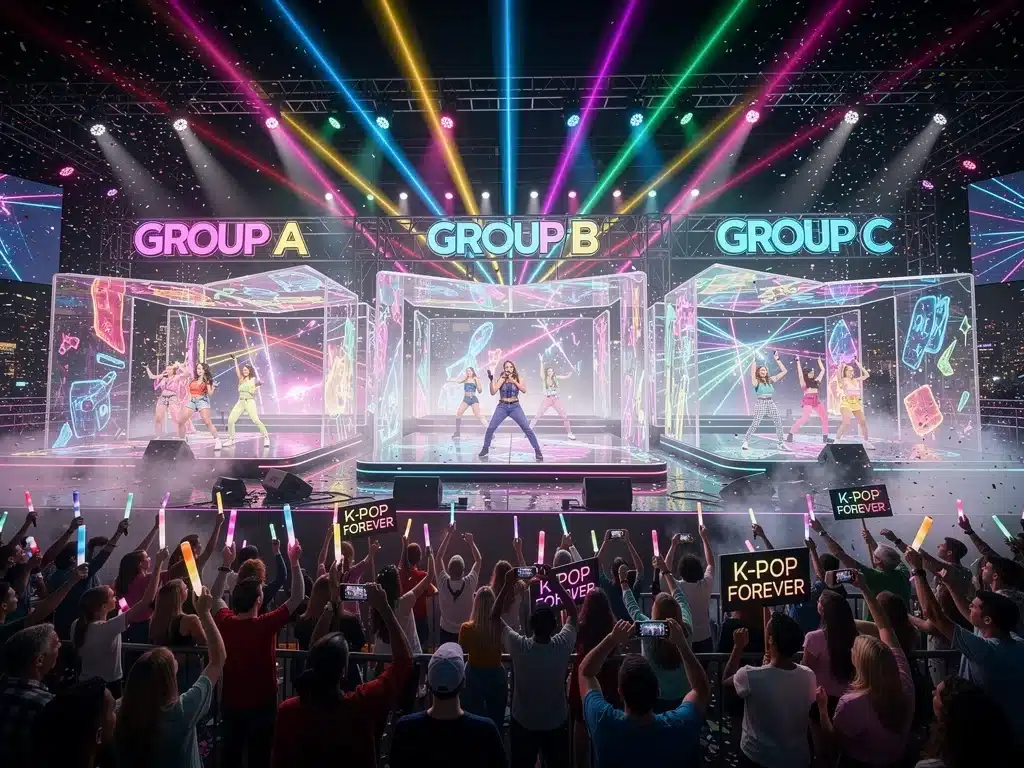
The relentless momentum of the global K-Pop Invasion is reaching a historic peak as three breakout Korean acts prepare to dominate North American music charts.
Blending cutting-edge visual concepts with Western radio appeal, these rising idols are redefining international stardom and capturing massive streaming audiences nationwide.
Driven by hyper-engaged digital fandoms and strategic stadium tours, Korean entertainment powerhouses are executing unprecedented cross-border marketing rollouts.
These high-energy rookie groups are bypassing traditional promotional barriers, generating record-breaking album pre-orders, and securing top slots on major music festival lineups.
Discover the three game-changing pop groups positioned to shatter U.S. sales records this year. Explore their unique artistic styles, track their explosive chart trajectories, and see how eastern pop culture continues its unstoppable takeover of the global music industry.
The Accelerating K-Pop Phenomenon in the U.S.
The K-Pop phenomenon has transformed from a niche genre into a global powerhouse, captivating audiences worldwide. Its meticulously crafted music, stunning visuals, and highly synchronized performances have created a dedicated fanbase, particularly in the United States.
This sustained growth is not accidental; it is the result of strategic investments, innovative marketing, and a deep understanding of fan engagement.
The U.S. market, once a difficult frontier, now represents a prime target for expansion, with labels actively cultivating new talent specifically for international appeal.
The upcoming wave of groups is designed to build upon the successes of their predecessors, pushing boundaries and appealing to an even broader demographic. Their arrival signifies a new chapter in the ongoing narrative of K-Pop’s global dominance.
Group 1: KATSEYE – The Western-Oriented Global Phenomenon
KATSEYE, formed through a joint venture between HYBE and Geffen Records, is generating immense traction with its multicultural lineup and Western-first strategy.
By blending international pop sounds with signature K-Pop choreography, they are engineered specifically to break traditional cultural barriers in the American market.
KATSEYE’s approach centers on deep localization, English-first music releases, and immediate integration into North American pop culture. Their strategy emphasizes accessibility for mainstream Western listeners:
-
Global Strategic Partnerships: Backed by US record label infrastructure for radio and streaming promotion.
-
Multicultural Representation: Members hailing from diverse backgrounds fostering relatable engagement.
-
Interactive Digital Media: Leveraging platforms like TikTok and Instagram for direct fan connection.
Group 2: RIIZE – Redefining Sound with “Emotional Pop”
RIIZE (SM Entertainment) stands out with their signature genre, “Emotional Pop,” mixing nostalgic pop, R&B, and modern dance elements.
Their artistic direction and viral performance clips have rapidly built a dedicated global fanbase, positioning them as major contenders for North American arena tours.
RIIZE focuses on authenticity and relatable storytelling through dynamic musical styles and striking visual aesthetics:
-
Genre-Bending Sound: Combining classic K-Pop performance with modern indie and R&B elements.
-
High-Energy Choreography: Viral dance routines that translate exceptionally well to live tour environments.
-
Youth-Centric Themes: Lyrical narratives centered around growth, emotion, and everyday youth experiences.
Group 3: ILLIT – The Viral Gen-Z Powerhouse
ILLIT (BELIFT LAB / HYBE) brings a powerful mix of viral synth-pop melodies, distinctive aesthetic branding, and instant chart appeal.
Following explosive international streaming success, their high-production releases and Gen-Z appeal make them a key group driving streaming consumption in the U.S. market.
ILLIT’s expansion relies on maximizing digital reach and high-impact visual content tailored for short-form video platforms:
-
Addictive Musical Hooks: Tracks crafted for rapid viral distribution across social platforms.
-
Distinct Visual Concept: Strong fashion-forward aesthetics that resonate with Gen-Z audiences.
-
High-Production Value: Polished music videos and festival-ready stage performances.
Factors Driving the 2026 K-Pop U.S. Market Invasion
The current acceleration of K-Pop across North America is not an accidental wave, but the result of a mature, highly calculated infrastructure built over a decade.
Groundwork laid by pioneer acts like BTS and BLACKPINK established a permanent cultural foothold, transforming what was once a niche subculture into a dominant force in mainstream American music consumption.
Today’s rising groups inherit a pre-conditioned market with low barriers to entry and an eager, established consumer base.
Crucially, the evolution of digital distribution has bypassed traditional Western broadcast gatekeepers entirely. Korean entertainment agencies no longer rely solely on US radio airplay or legacy television networks to break new talent.
Instead, real-time global streaming platforms, direct-to-consumer digital ecosystems, and algorithmic social discovery allow new groups to land on the Billboard charts simultaneously with their official debuts, accelerating international adoption at unprecedented speeds.
The Role of Fan Engagement and Digital Strategy
In the modern music landscape, listener retention is driven by active community participation rather than passive consumption.
K-Pop agencies have perfected the art of conversion, transforming casual listeners into dedicated brand advocates through proprietary fan-engagement platforms, exclusive behind-the-scenes content, and interactive live broadcasts that bridge geographical and language divides in real time.
This digital-first strategy relies heavily on user-generated content and short-form video algorithms. Fan-driven initiatives—such as coordinated streaming campaigns, localized dance challenges, and viral TikTok trends—act as an organic, global marketing machine.
This intense level of community organization directly translates into measurable commercial success, driving physical album pre-orders, boosting digital sales, and securing high-volume streaming metrics across North American platforms.
The Broader Impact on the U.S. Music Industry
The mainstream integration of acts like KATSEYE, RIIZE, and ILLIT is fundamentally reshaping the business models of Western music conglomerates.
Major American record labels are shifting from simple distribution deals to deep, joint-venture partnerships with South Korean entertainment powerhouses.
This hybrid business structure combines Western radio infrastructure and local PR expertise with the rigorous training, visual branding, and high-velocity content production of the K-Pop system.
Furthermore, this cross-cultural synergy is transforming both music production and live touring economics.
Western songwriters and producers are increasingly tailoring tracks for multi-market appeal, while major US music festivals and arena venues prioritize Asian pop acts to secure guaranteed ticket sell-outs and massive social media engagement.
This ongoing convergence signals that K-Pop is no longer just a foreign export, but a foundational pillar of the global pop industry.
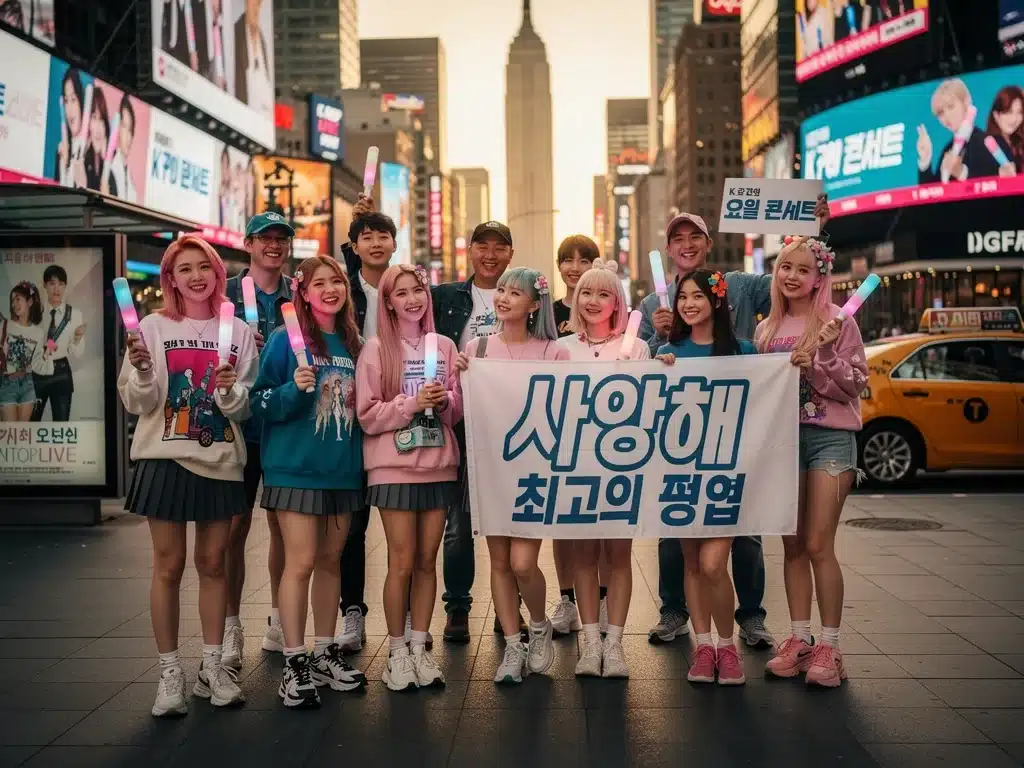
Challenges and Opportunities for New K-Pop Groups
While the prospects are bright for new K-Pop acts entering the U.S. market, navigating an increasingly saturated global entertainment landscape presents complex hurdles.
With thousands of new tracks released daily across streaming services, standing out requires constant artistic innovation, hyper-distinctive visual branding, and a crystal-clear value proposition.
Groups must continuously reinvent their image to maintain audience interest in a fast-moving, short-form-driven digital ecosystem.
Navigating cultural nuances and language barriers remains an ongoing test, even for globally minded agencies. Western audiences increasingly demand perceived authenticity, spontaneous self-expression, and unscripted engagement from their favorite artists.
Striking a balance between the highly polished, disciplined training traditional to K-Pop and the raw, approachable personality expected by American fans is essential for building multi-year career longevity in the North American music ecosystem.
However, these structural challenges unlock unprecedented opportunities for creative differentiation.
Groups that successfully bridge cultural divides—whether through hybrid group formations like KATSEYE, genre-blending musical identities like RIIZE, or viral digital-first strategies like ILLIT—are uniquely positioned to capture diverse consumer demographics, secure high-value brand partnerships, and set new commercial benchmarks across the global music industry.
| Key Aspect | Description |
|---|---|
| KATSEYE | Global multicultural lineup, Western-first localization |
| RIIZE | “Emotional Pop” sound, arena-level tour demand |
| ILLIT | Viral short-form trends, strong Gen-Z streaming appeal |
| Market Drivers | Digital platforms, fan engagement, cultural diversity. |
Frequently Asked Questions About K-Pop’s U.S. Market Invasion
KATSEYE, RIIZE, and ILLIT are among the primary groups driving new growth in the U.S., thanks to their tailored global strategies and strong streaming presence.
Modern acts utilize simultaneous global debuts, direct English-language content, and hybrid business models with Western record labels from day one.
They will leverage multi-platform digital campaigns, strategic Western collaborations, and extensive fan engagement. Targeted content, appearances at major festivals, and unique artistic concepts are designed to capture diverse segments of the American audience, crucial for Decoding the Latest K-Pop Invasion.
The invasion is expected to further diversify musical tastes, encourage more cross-cultural collaborations, and influence production styles. It will also significantly boost economic contributions through tours, merchandise, and streaming, continuing to reshape the global music landscape and the K-Pop U.S. market.
Fan engagement is paramount, fostering deep loyalty through interactive content, direct communication, and personalized experiences. Strong fanbases mobilize support, drive streaming numbers, and create viral trends, which are all essential for breaking records in the K-Pop U.S. market.
Looking Ahead: The Evolving K-Pop Landscape
The ongoing North American expansion driven by KATSEYE, RIIZE, and ILLIT marks a pivotal evolutionary phase for Asian pop music in the Western mainstream.
Their distinct operational models demonstrate that global expansion is no longer an afterthought, but a foundational pillar integrated into talent discovery, song selection, and content strategy from day one.
This systematic approach proves that K-Pop’s presence in the West is not a temporary trend, but a permanent structural shift in global pop culture.
Industry analysts and entertainment executives will be closely watching how these groups adapt to the fast-evolving American media landscape throughout 2026 and beyond.
The operational insights, cross-border joint ventures, and digital engagement blueprints established during this era will shape the playbooks for future generations of international artists aiming for global stardom.
As cross-cultural collaborations deepen and global distribution networks become even more frictionless, the boundaries between regional music markets will continue to dissolve.
The trajectories of KATSEYE, RIIZE, and ILLIT serve as a masterclass in modern cultural export, proving that strategic localization, fan-first digital engagement, and relentless musical innovation remain the ultimate formula for long-term global impact.