Streaming Wars Reshaping Film Production: 3 Major Shifts by Mid-2026
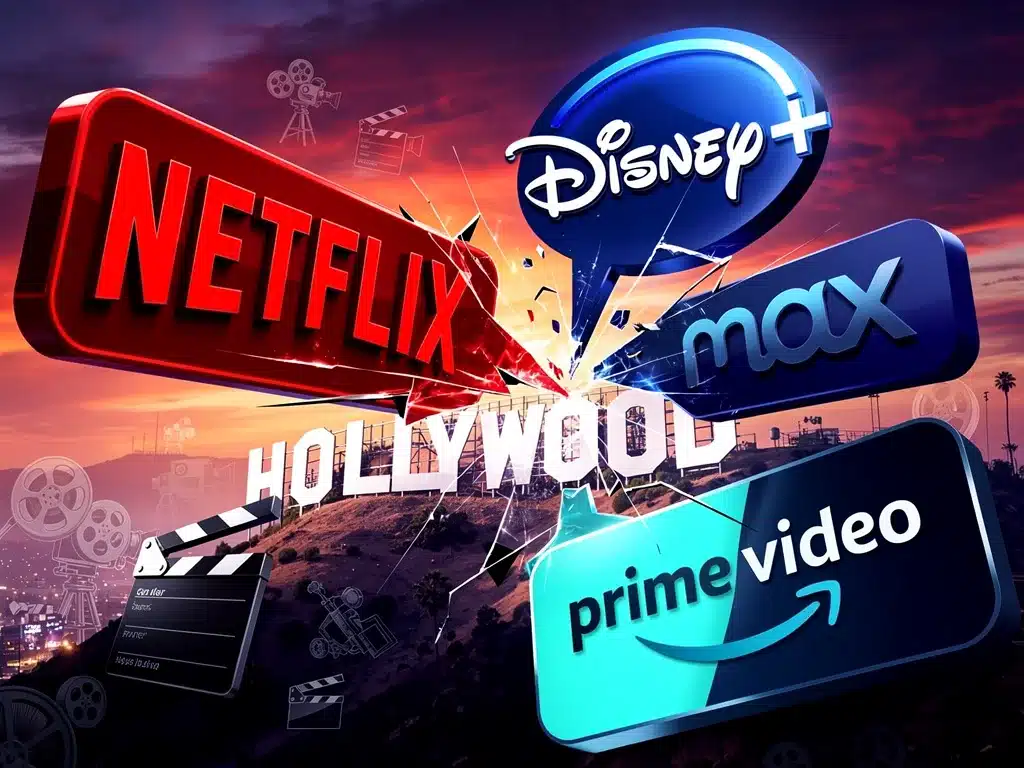
Have you ever noticed how the types of movies landing on your home screen feel vastly different from traditional cinema? The reality is that the fierce Streaming Wars are Reshaping Film Production, fundamentally changing how Hollywood greenlights, budgets, and creates stories.
As digital giants battle for your subscription, the traditional theatrical studio model is undergoing an unprecedented evolution.
From revolutionary AI-driven post-production to hyper-targeted global narratives, the entire entertainment landscape is being rewritten for the direct-to-consumer era.
This insider look breaks down the three massive industry transitions altering the future of cinema right now. Discover how these mega-platforms are shifting creative control and what this cinematic revolution means for your next movie night.
The Proliferation of High-Budget, Platform-Exclusive Content
One of the most significant shifts is the explosion of high-budget productions specifically designed for streaming platforms.
Studios are now allocating substantial resources to create exclusive content that can attract and retain subscribers, rather than primarily focusing on theatrical releases.
This strategy elevates the production value of streaming originals, often rivaling or exceeding that of traditional studio blockbusters. The competition for premium content is a direct consequence of the streaming wars reshaping film production.
Major platforms like Netflix, Amazon Prime Video, and Max are investing billions annually, signaling a long-term commitment to this content-first approach. This trend is set to solidify even further by mid-2026, making platform exclusivity a key differentiator.
Increased Investment and Creative Freedom
Streaming services are pouring unprecedented amounts of money into content creation. This financial influx allows filmmakers greater creative freedom and access to advanced production technologies.
- Budgets for streaming films now frequently exceed $100 million, attracting top-tier talent.
- Filmmakers are often given more artistic control, fostering innovative storytelling not always possible in the theatrical model.
- The pressure to deliver unique, binge-worthy content fuels experimental narratives and diverse genre explorations.
This surge in investment directly reflects the strategic importance of exclusive content in the ongoing streaming wars reshaping film production. The battle for audience attention is fought with compelling narratives and high production values.
Impact on Traditional Theatrical Releases
While streaming thrives, the theatrical window continues to shrink, and some high-profile films bypass cinemas entirely. This challenges the long-standing economic model of Hollywood, forcing a re-evaluation of release strategies.
The emphasis on exclusive streaming content means fewer films are being developed with a primary theatrical release in mind. This directly contributes to how streaming wars are reshaping film production.
The traditional cinema experience must now offer something truly unique to draw audiences away from their living rooms. Eventized releases and premium formats are becoming more critical for theatrical success.
Shifting Talent Dynamics and Deal Structures
The streaming era has dramatically altered how talent, from A-list actors to acclaimed directors, engages with studios. Traditional backend deals tied to box office performance are evolving into lucrative upfront payments and comprehensive overall deals.
This shift provides financial security for creators but also ties them more closely to specific platforms, creating exclusive talent rosters. The competitive landscape demands these new approaches as streaming wars are reshaping film production.
By mid-2026, expect to see an even greater consolidation of talent under major streaming banners, impacting who makes what and for whom. This redefines career trajectories and creative partnerships within Hollywood.
New Compensation Models for Creatives
The move away from box office-dependent compensation has necessitated new payment structures. Talent now often receives significant upfront fees, minimizing the risk associated with a film’s performance.
- Overall deals for producers, writers, and directors are increasingly common, securing their output for a single platform.
- Actors are signing multi-picture deals that guarantee appearances in multiple streaming-exclusive projects.
- These new models reflect the direct-to-consumer nature of streaming, where subscriber numbers, not ticket sales, are the primary metric.
This is a fundamental aspect of how streaming wars are reshaping film production, offering stability but also potentially limiting cross-platform collaboration.
Competition for A-List Stars and Showrunners
The demand for recognizable faces and proven creative minds has intensified as platforms seek to differentiate their offerings. This competition drives up talent costs and fosters bidding wars for top-tier individuals.
Securing exclusive deals with popular actors and acclaimed showrunners is a strategic move to attract and retain subscribers. This intense competition is a clear indicator of how streaming wars are reshaping film production.
Talent agencies are navigating a complex environment where traditional studio relationships coexist with robust streaming opportunities. The power balance has shifted, favoring creators with proven track records.
Data-Driven Content Strategy and Audience Targeting
Streaming platforms possess vast amounts of user data, enabling them to make highly informed decisions about content development. This data-driven approach is a game-changer, moving away from subjective greenlighting processes.
Algorithms analyze viewing habits, genre preferences, and completion rates to identify successful formulas and underserved niches. This analytical power is at the heart of how streaming wars are reshaping film production.
By mid-2026, expect content strategies to be even more precisely tailored to specific audience segments, leading to a more diverse yet potentially algorithmically guided slate of films. This personalized approach defines the future.

Leveraging Analytics for Greenlighting Decisions
Data analytics now plays a pivotal role in deciding which projects get made. Platforms can predict potential audience interest with remarkable accuracy, reducing financial risks.
- Viewer data informs decisions on genre, cast, plot elements, and even marketing campaigns.
- This allows for the creation of content that directly appeals to specific demographics within their subscriber base.
- The traditional ‘gut feeling’ approach to development is being supplemented, if not replaced, by empirical evidence.
This systematic use of data is a defining characteristic of how streaming wars are reshaping film production, optimizing for subscriber engagement.
Niche Content and Global Appeal
The ability to target niche audiences globally is another powerful outcome of data-driven strategies. Platforms can commission content that might not appeal to a broad theatrical audience but finds a dedicated following worldwide.
This fosters a greater diversity of stories and voices, catering to tastes that were previously underserved by mainstream Hollywood. This global reach is crucial as streaming wars are reshaping film production.
The focus on global subscriber growth means films are increasingly being produced with international appeal in mind, often featuring diverse casts and multilingual narratives. Localized content with global potential is a new gold standard.
| Key Shift | Impact Description |
|---|---|
| Exclusive High-Budget Content | Massive investment in platform-specific films to attract and retain subscribers, often bypassing traditional theatrical releases. |
| Evolving Talent Deals | Shift from backend box office deals to upfront payments and overall deals, securing talent for specific streaming platforms. |
| Data-Driven Strategies | Extensive use of viewer data to inform content development, greenlighting decisions, and targeted audience engagement globally. |
| Global Production Focus | Emphasis on creating content with international appeal to cater to diverse global subscriber bases, increasing localization efforts. |
Frequently Asked Questions About Streaming’s Impact on Film
Streaming wars are significantly inflating film production budgets, with platforms investing billions in exclusive content. This leads to higher production values and allows filmmakers greater creative freedom, often rivaling traditional blockbuster costs to attract and retain subscribers globally.
Platform-exclusive content means films are primarily, or solely, released on a specific streaming service, bypassing traditional theatrical windows. This strategy aims to differentiate platforms and drive subscriptions, profoundly impacting traditional film distribution models and cinema attendance.
Talent deals are shifting from performance-based box office bonuses to lucrative upfront payments and comprehensive overall deals. This secures top-tier actors and creators for specific platforms, offering financial stability but also fostering exclusive relationships that reshape Hollywood’s talent landscape.
Data analytics is now crucial for greenlighting decisions in film production. Streaming platforms use vast amounts of user data on viewing habits and preferences to inform content development, genre selection, and targeted marketing, leading to more audience-specific and algorithmically guided content.
Traditional cinemas face significant challenges but are adapting by focusing on eventized releases, premium formats, and unique communal experiences. While some films bypass theaters, cinemas will likely continue to exist by offering a distinct, high-quality viewing experience that streaming cannot fully replicate.
Looking Ahead: The Evolving Landscape
The transformations brought about by Streaming Wars are Reshaping Film Production represent a fundamental recalibration of the entertainment industry.
The continued emphasis on exclusive, high-quality content, alongside evolving talent acquisition and data-driven strategies, will only intensify.
Stakeholders must remain agile, adapting to new economic models and audience expectations. The battle for subscriber loyalty will continue to drive innovation and investment, shaping the stories we see and how we experience them.
Monitoring the financial health of streaming platforms, the creativity fostered by new deal structures, and the impact of data on narrative diversity will be key to understanding Hollywood’s trajectory in the coming years. The future of film is being written on our screens.